Best Webflow Templates for Retail and E-commerce 2026

Most Webflow store templates look polished in preview but collapse under real inventory and customer behavior. We scored them on design and development to find the ones that actually work at scale.
Webflow's e-commerce capabilities look good on paper. The CMS is flexible, the checkout integrates cleanly, and you can customize almost every pixel of the purchase flow. In practice, most Webflow store templates waste that potential. They ship with generic product grids, checkout flows that feel bolted on, and design systems that don't scale when your catalog grows from fifty items to five hundred.
We've reviewed all Webflow retail and e-commerce templates in our library and scored them on both design and development. The ones that genuinely solve real store problems look different from the ones that feel polished in preview but fall apart when you add real inventory and customer traffic. The best ones don't try to be everything. They commit to a specific store type, build the CMS structure to match, and leave enough room for you to add your own products without the whole layout collapsing.
This list covers the templates that clear that bar. Each one has a Design Score and a Development Score of 7.0 or higher. We've looked at product page architecture, how the CMS collections handle variants and inventory, whether the cart and checkout actually work at scale, and whether the design survives when you swap in real product photography. If you're evaluating the broader Webflow platform or comparing it to alternatives like Shopify, our guide to the full Webflow template library and our Shopify retail themes roundup give you the full picture.
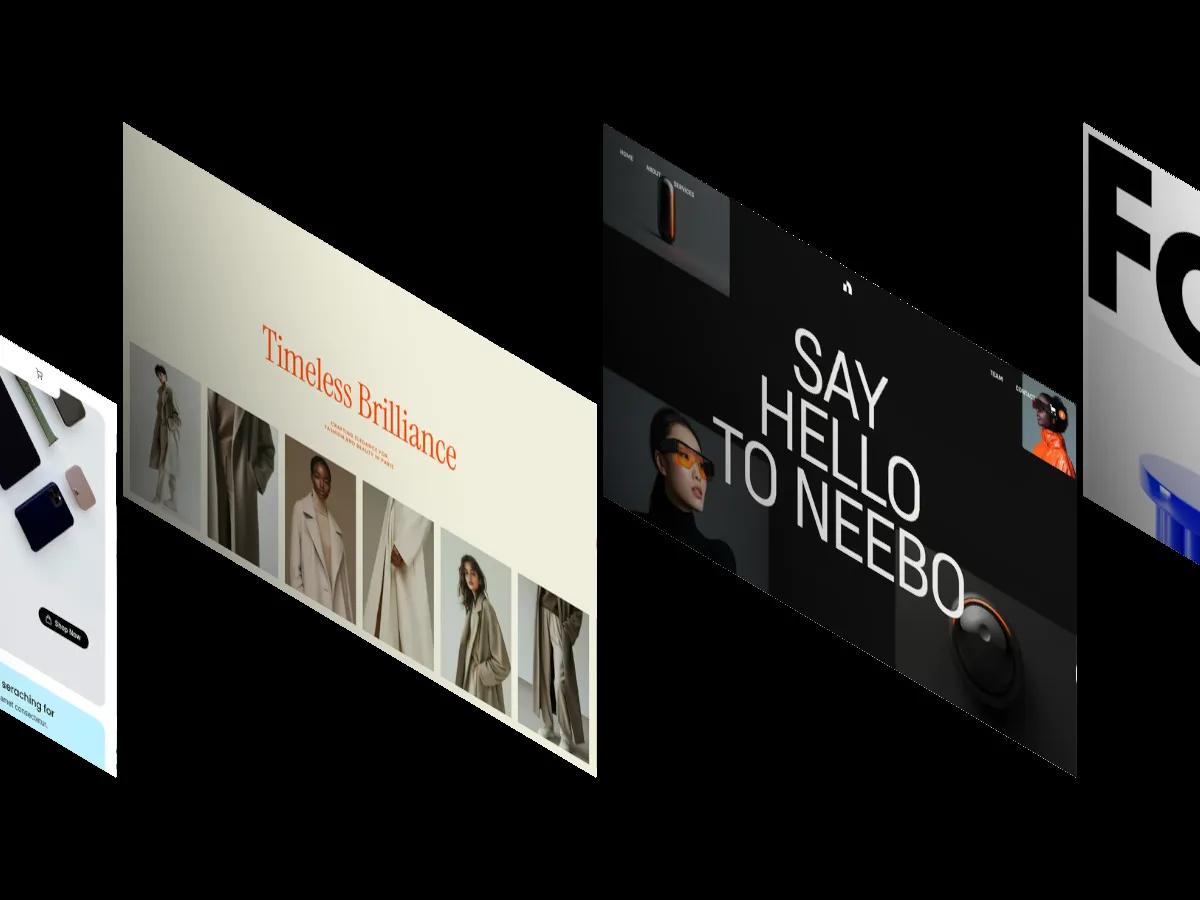
Neebo
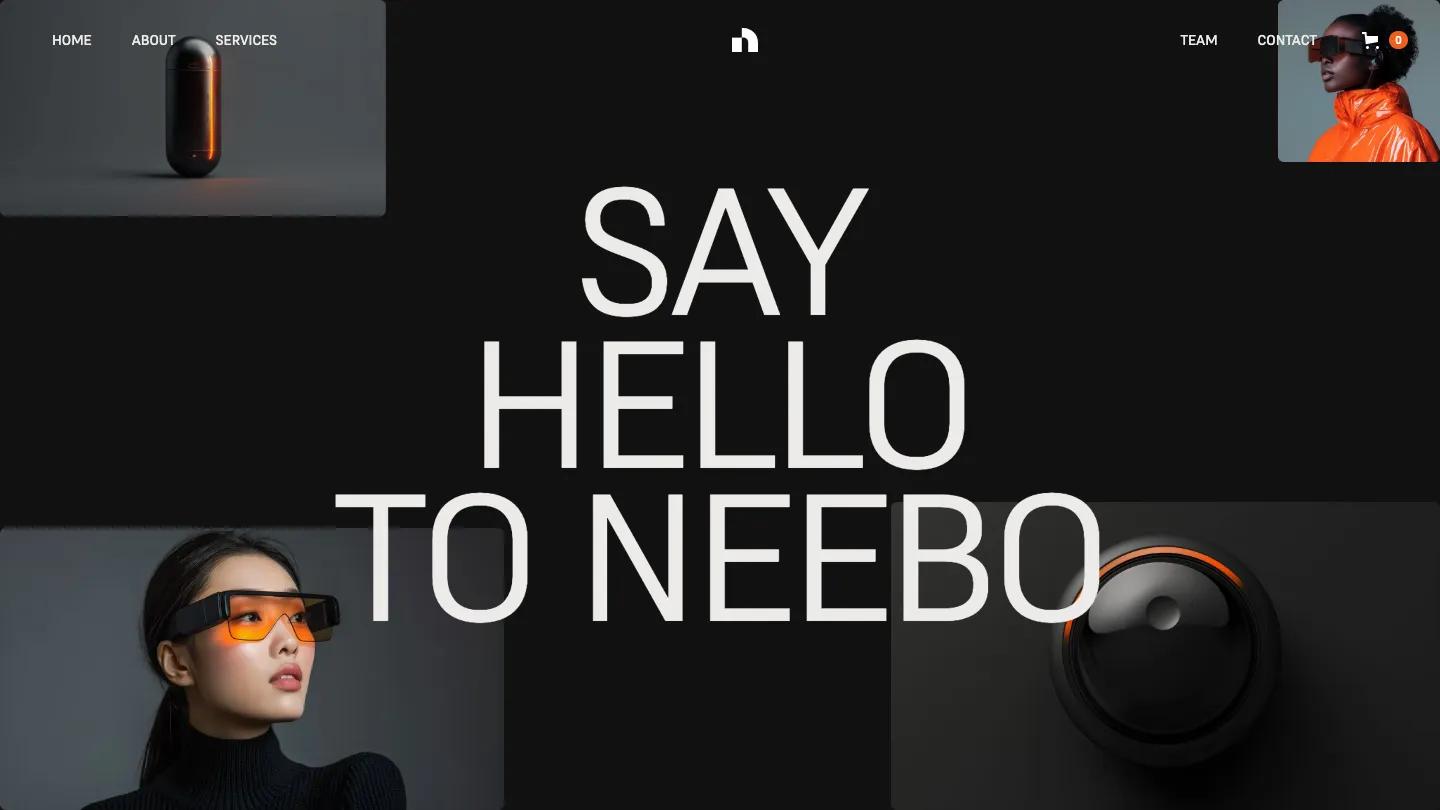
Overall Score: 9.4/10
Design Score: 9.3/10
Development Score: 9.6/10
Price: $129
Perfect for: Tech-forward product brands that want dark, minimal aesthetics without sacrificing cart functionality
Neebo brings clean dark styling and a 9.6 development score to Webflow ecommerce, with CMS collections, 3D transforms, and responsive design baked in. The template spans retail storefronts, digital products, and SaaS landing needs, and careers and project pages come ready if you're hiring or showcasing case studies alongside your catalog. Browse more options in our Webflow retail and e-commerce templates library.
Nexxar

Overall Score: 9.3/10
Design Score: 9.4/10
Development Score: 9.2/10
Price: $39
Perfect for: Tech retailers or gaming stores selling premium products who want a dark, confident storefront that doesn't feel like every other Shopify clone.
Nexxar ships with full ecommerce pages, a custom 404, and responsive forms at $39. The dark minimal aesthetic works especially well for audio gear or gaming peripherals where bold product photography needs breathing room. The 9.2 dev score means CMS and checkout logic are clean enough to customize without fighting messy code. If you browse the Webflow template library for modern retail builds, this sits near the top for polish at this price.
Forma Studio
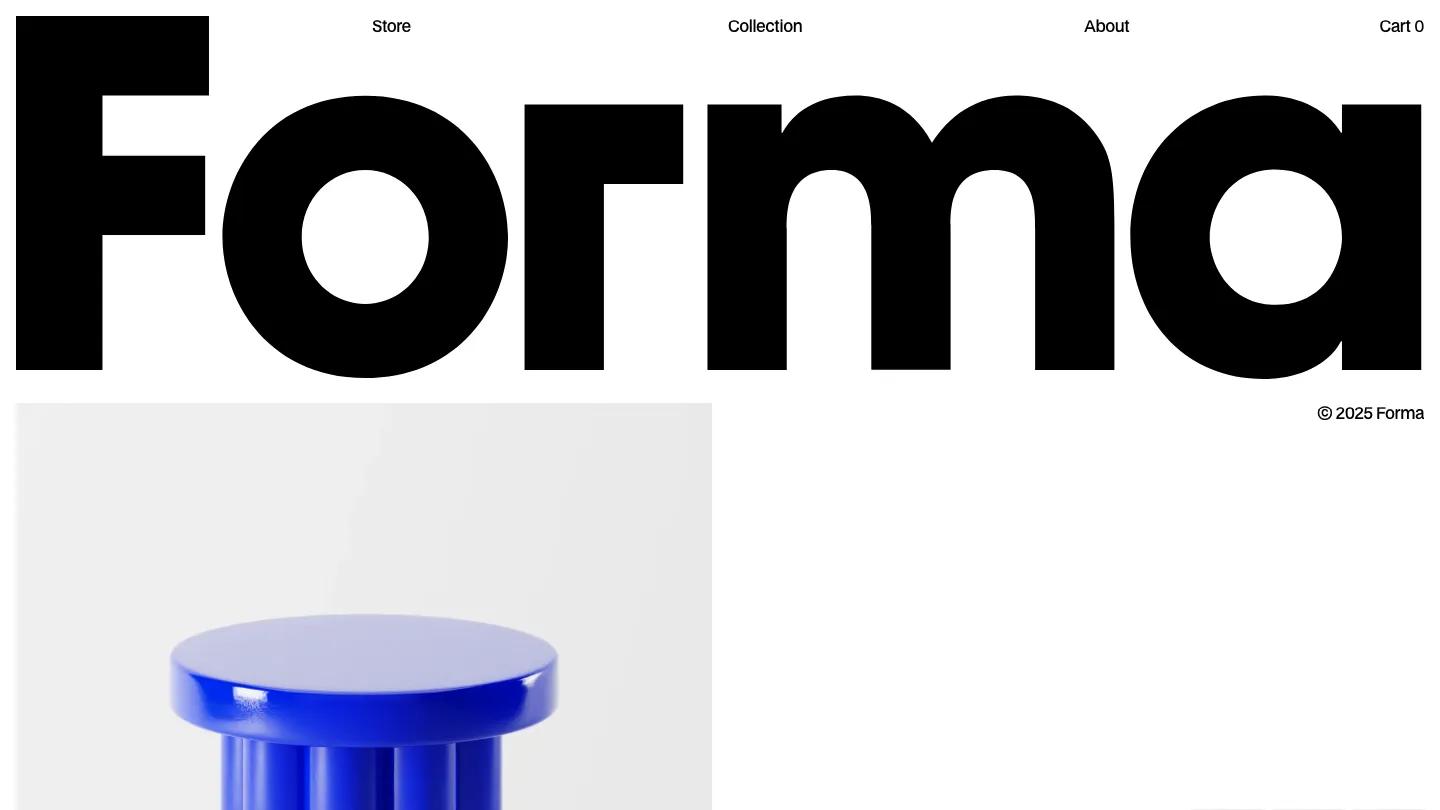
Overall Score: 9.3/10
Design Score: 9.3/10
Development Score: 9.3/10
Price: $49
Perfect for: Furniture shops, art galleries, or design studios selling online with a portfolio feel
Forma Studio balances bold typography with clean white space and ships with CMS collections, product pages, and a 404 ready to customize. This Webflow ecommerce template scores 9.3 across design and dev for $49, keeping navigation minimal and forms straightforward without extra decoration. If you also run a Shopify store, compare layouts in our guide to Shopify retail themes. Forma's light, typographic style works best when products photograph well against white backgrounds.
GLINTIFY

Overall Score: 9.2/10
Design Score: 9.3/10
Development Score: 9.1/10
Price: $79
Perfect for: Fashion brands or digital product shops that want clean typography and room to let product photography breathe.
GLINTIFY leans on white space and minimal layouts, with no clutter competing with your catalog images. At $79, you get responsive ecommerce blocks, CMS-ready blog pages, and a 404 that doesn't look like an afterthought. If your brand relies on bold product shots more than flashy animations, this platform comparison shows why Webflow's CMS flexibility pairs well with this template's structure.
Kora

Overall Score: 9.2/10
Design Score: 9.1/10
Development Score: 9.3/10
Price: $79
Perfect for: Beauty brands and boutique retailers who want a polished storefront without custom dev work
Kora pairs minimal aesthetics with CMS-driven product pages, blog, and slideshow components. Everything you need to launch a retail site ships at $79. The 9.3 development score reflects clean structure if you need to customize a Webflow template later. Responsive design and background video support mean mobile shoppers and hero sections both work smoothly.
Halo

Overall Score: 9.1/10
Design Score: 8.9/10
Development Score: 9.2/10
Price: $129
Perfect for: Health and beauty brands that want a clean storefront without custom dev work
Halo ships with ecommerce blocks, CMS collections, and form integrations already wired. You edit product pages and go live. The monochromatic layout keeps focus on imagery and copy, while 3D transforms add polish to hover states and transitions. If you need highly saturated color palettes or illustration-heavy branding, look elsewhere because this theme leans minimal.
NIMB Extend
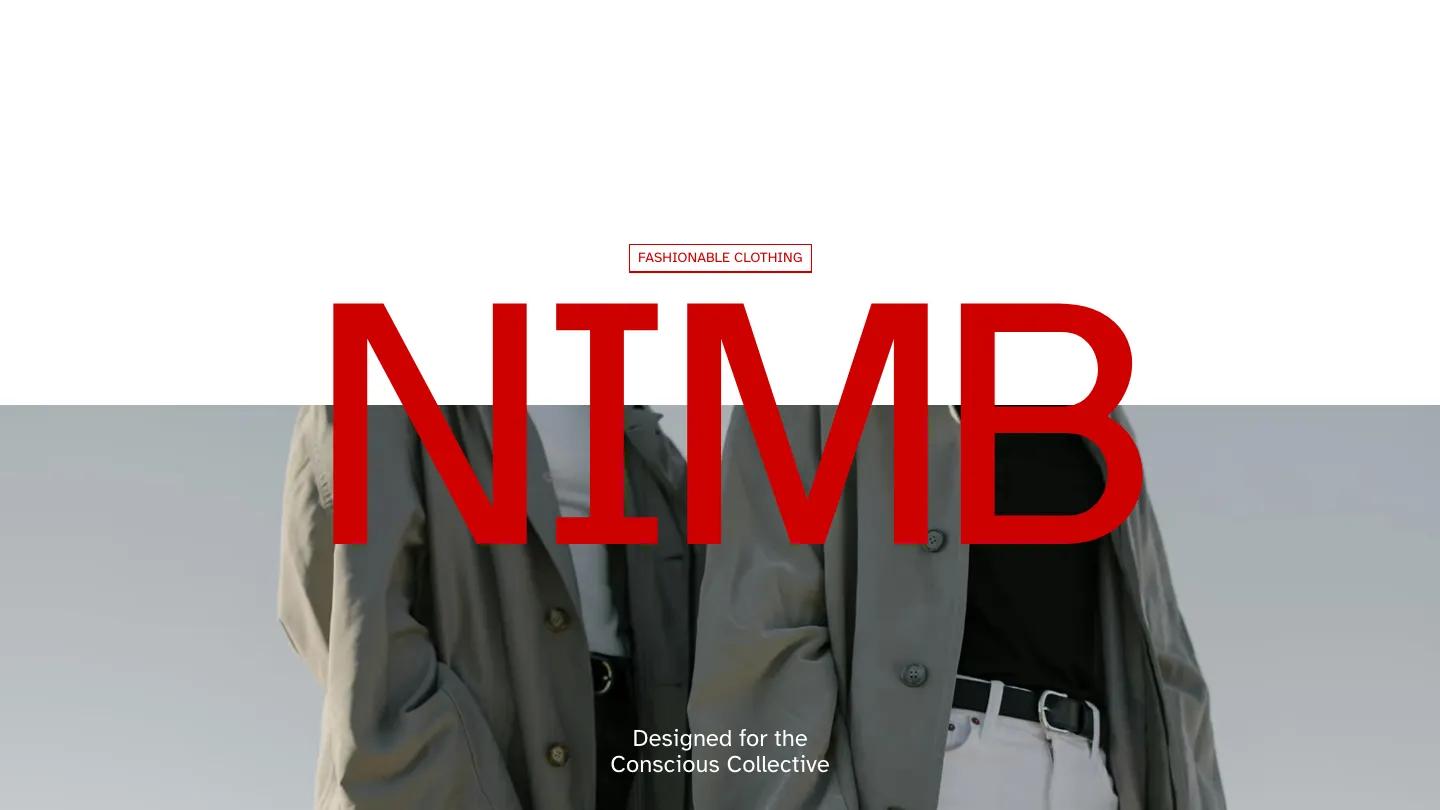
Overall Score: 8.9/10
Design Score: 8.9/10
Development Score: 8.8/10
Price: $79
Perfect for: Fashion brands or lifestyle retailers who want a bold, monochrome aesthetic without sacrificing product focus.
NIMB Extend pairs clean typography with 3D transforms and a minimal layout that keeps product imagery front and center. At $79, you get CMS-driven blog pages, a careers section, and responsive design that works across devices, though the monochrome palette may feel limiting if your brand leans colorful. If you're exploring options, you can find Webflow templates across a range of styles and industries.
Choice Extend

Overall Score: 8.7/10
Design Score: 8.4/10
Development Score: 9.1/10
Price: $79
Perfect for: Fashion retailers who want a polished storefront without visual clutter.
Choice Extend pairs monochrome styling with a 9.1 dev score that includes responsive ecommerce, CMS, and form components ready to connect. At $79, you get background video support and a full blog setup alongside product pages, though the minimal aesthetic works best for brands selling curated collections rather than sprawling catalogs. The clean typography and light palette keep attention on your products, not the interface.
Cartelle
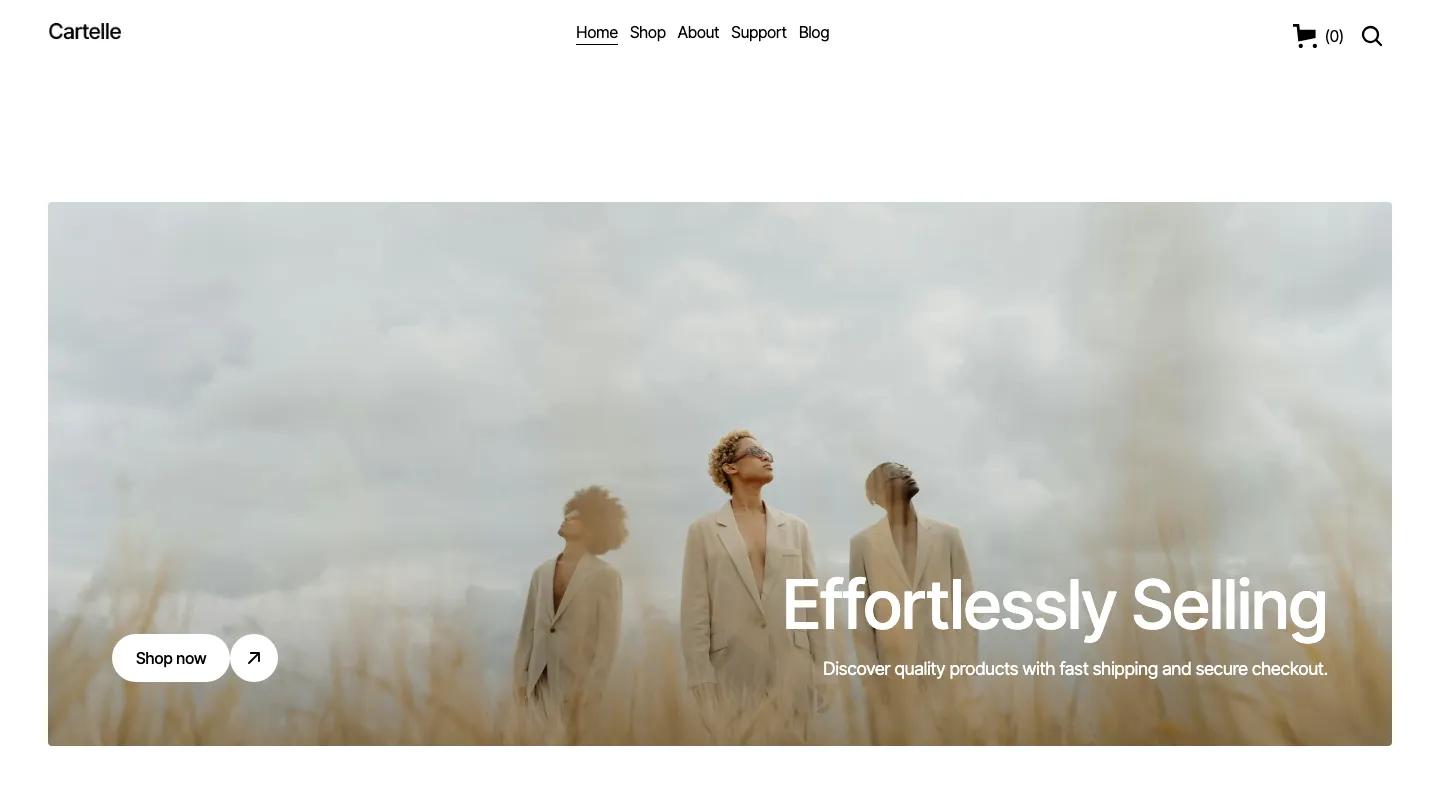
Overall Score: 8.7/10
Design Score: 8.6/10
Development Score: 8.8/10
Price: $79
Perfect for: Boutique fashion or beauty brands that want clean product grids and a professional checkout without visual clutter.
Cartelle scores 8.7 overall at $79, with CMS-driven product pages, responsive design, and built-in blog and contact forms ready to publish. The minimal, modern aesthetic suits smaller catalogs where each item deserves breathing room. If you're managing hundreds of SKUs or need advanced filtering, consider heavier Shopify e-commerce themes instead.
TechNest
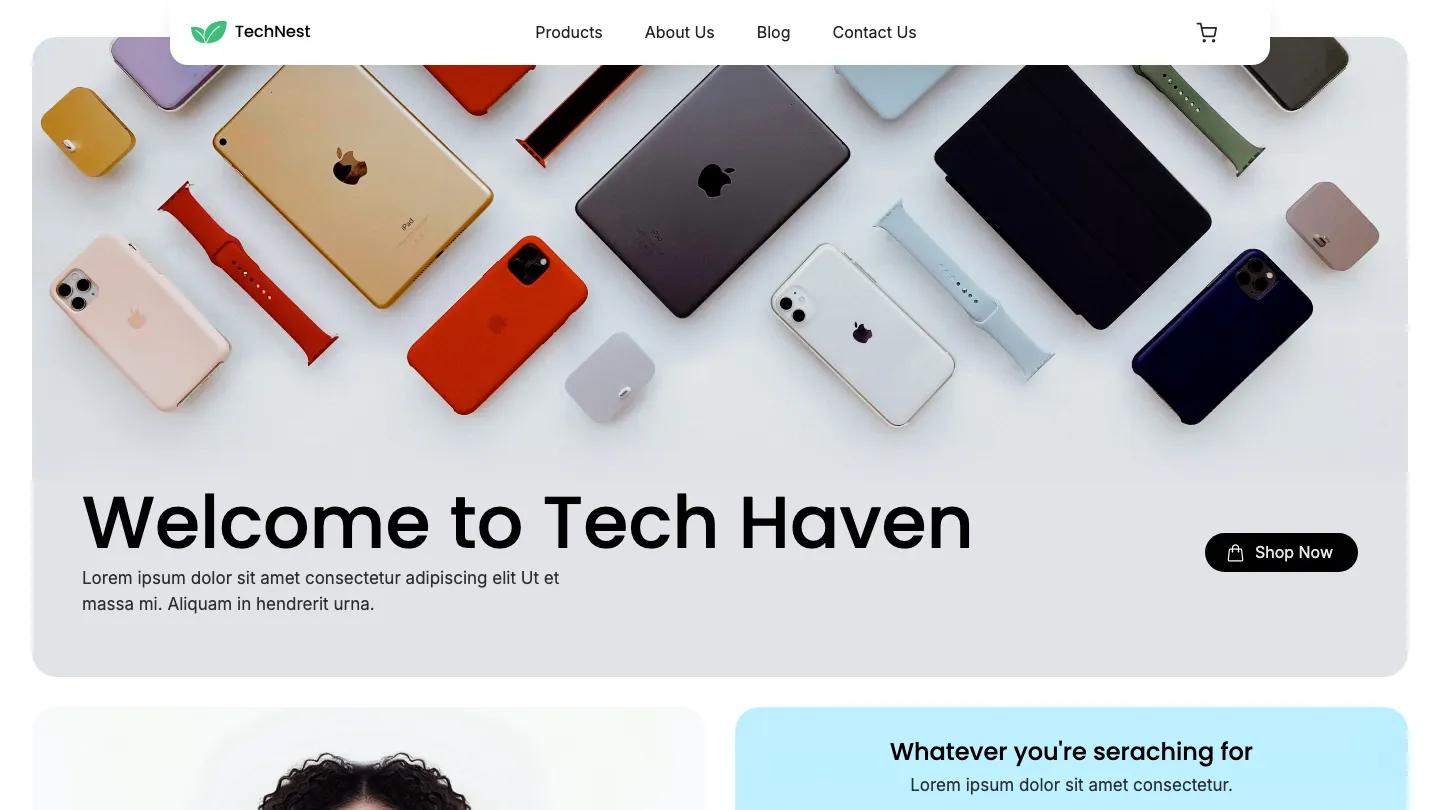
Overall Score: 8.7/10
Design Score: 8.4/10
Development Score: 8.9/10
Price: $79
Perfect for: Tech retailers or gadget stores that want a polished storefront without custom development overhead
TechNest delivers a clean, modern Webflow ecommerce template with background video headers and 3D transforms that give product pages depth, while the CMS handles inventory and blog content without fuss. The 8.9 dev score reflects responsive design and ready-made components (404, contact, about pages), so you spend less time troubleshooting and more time listing products. If you're comparing costs across platforms, our template pricing data shows where $79 sits in the wider market.
Perseus
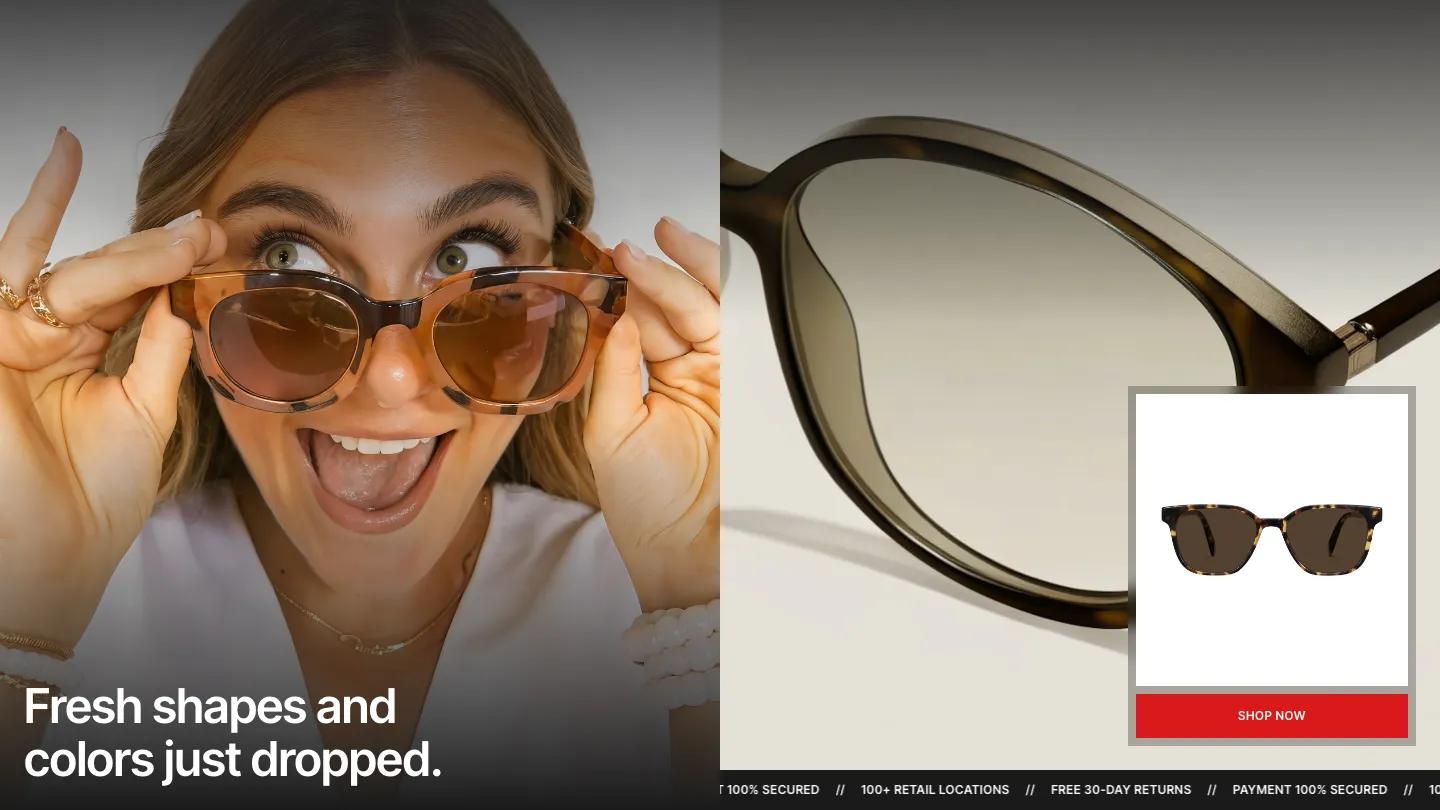
Overall Score: 8.7/10
Design Score: 8.4/10
Development Score: 8.9/10
Price: $99
Perfect for: Fashion boutiques or accessory brands that want a clean, minimal storefront without heavy customization overhead.
Perseus balances modern e-commerce essentials (product pages, CMS blog, forms) with a light, uncluttered aesthetic that keeps attention on your inventory. The development score of 8.9 reflects tidy code and responsive behavior, though the design leans safe rather than bold if you're after a standout visual identity.
La Flora
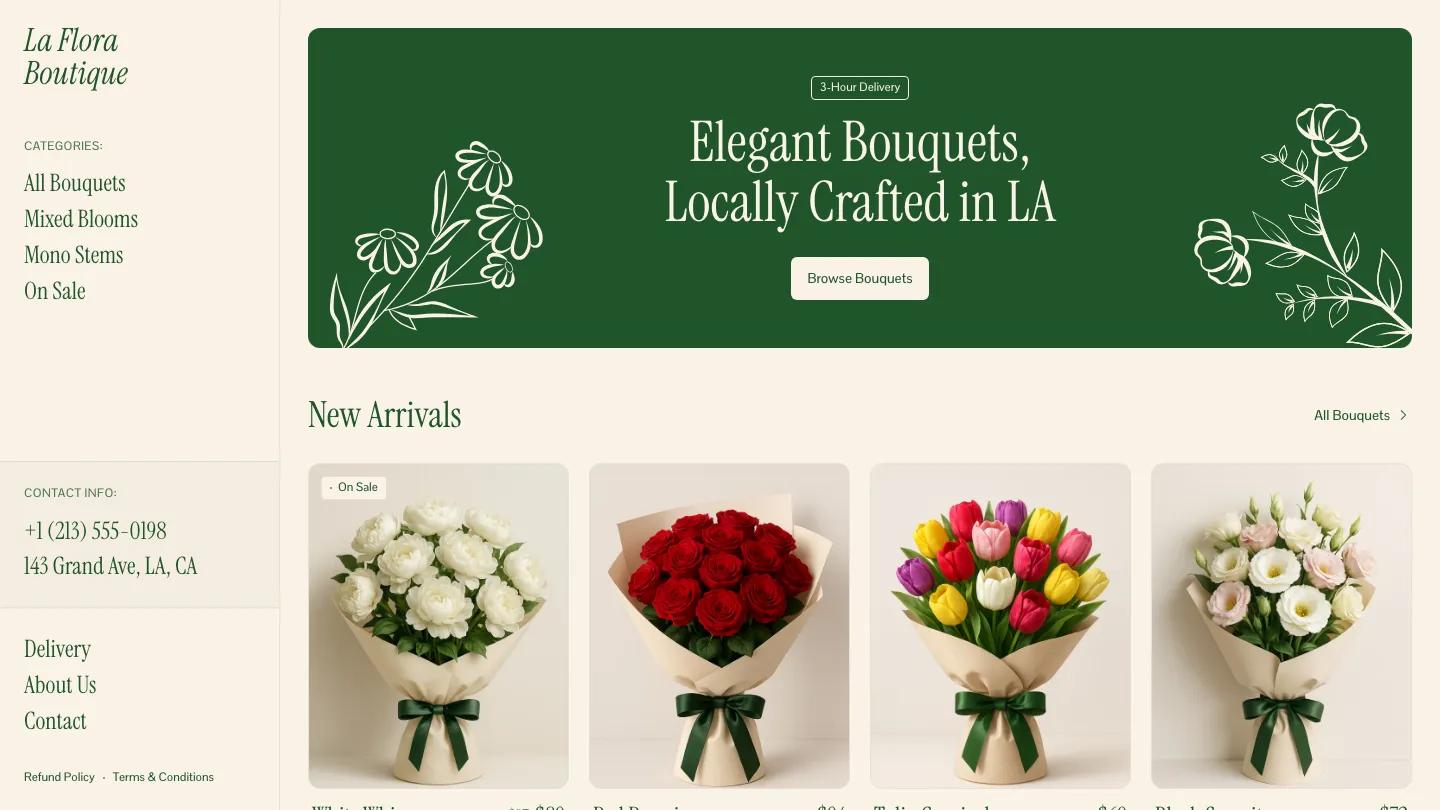
Overall Score: 8.6/10
Design Score: 8.4/10
Development Score: 8.8/10
Price: $79
Perfect for: Plant shops, sustainable brands, or eco-friendly retailers who want illustration-led charm without sacrificing mobile performance
La Flora pairs botanical illustration with a clean minimal layout. The template includes CMS-driven product pages, contact forms, and a custom 404, all responsive. The development score hits 8.8 thanks to tidy structure and working cart flows, though the light palette and illustration style suit green or lifestyle brands more than tech or fashion.
Final Thoughts
The twelve templates we reviewed here represent the strongest retail-focused work currently in the Webflow library. They share a common thread: none of them treat the shopping experience as an afterthought bolted onto a portfolio site. Instead, they build the entire layout around the reality that visitors come to browse, filter, compare, and buy. That means thoughtful product grid systems that don't collapse under large catalogs, checkout flows that don't require five clicks to complete, and inventory displays that stay honest about stock status without breaking the visual hierarchy.
If you're still weighing whether Webflow is the right platform for your retail project, the main advantage here is customization depth. You can adjust product page layouts, collection filtering, and cart behavior at a level that template marketplaces on other platforms simply don't allow. The tradeoff is that Webflow requires more setup than a pure e-commerce platform like Shopify. Once you've selected a template that matches your product category and visual direction, focus on how you'll customize it for your specific needs. Most of the templates listed here follow similar structural patterns, but implementation details matter. If any of these templates feels like the right starting point for your store, dig into its CMS collections, custom code sections, and checkout configuration before you launch. The difference between a template that feels generic and one that feels built for your brand often comes down to those customization decisions, not the template itself.