Best Websites to Find Professional Webflow Templates


Most sites that promise to help you choose a Webflow template are also selling you one. We compare the four real sources, the official Marketplace, creator studios, aggregators, and independent review libraries, using score data from the 333 Webflow templates we have reviewed.
Type "Webflow templates" into Google and you get the official Marketplace, a dozen creator studios, and a wall of listicles that all recommend the same ten templates without explaining why. Finding the best websites for professional Webflow templates turns out to be harder than finding the templates themselves, because most sites that claim to help you choose are also selling you something.
This guide covers where professional Webflow templates actually live, how the major providers differ, and what separates free packages from premium ones. The numbers come from our own research: we've independently reviewed and scored 333 Webflow templates, each one evaluated by professional designers and developers with 10 or more years of industry experience.
What are the best websites to find professional Webflow templates?
The four sources worth your time are the official Webflow Marketplace, independent creator studios such as Fouroom and Deveb, template aggregators, and independent review libraries like BestWebsiteTemplate.com. The Marketplace offers the widest selection and enforces a quality review before listing. Creator studios sell their own catalogs directly. Aggregators list everything with no quality filter. Review libraries are the only source type that scores templates independently before recommending them.
Each source solves a different problem. The Webflow Marketplace is the default starting point because every listed template passed Webflow's own submission review, which checks layout quality, responsiveness, and accessibility. What it does not do is rank templates by build quality. Sorting is driven by recency and popularity, so a mediocre template with strong marketing can sit above a better-built one for months.
Creator studios like Fouroom, Deveb, JP, and Lucas Gusso publish smaller catalogs with a consistent design language. In our library, templates from these four creators hold most of the top twenty positions by Overall Score. Buying direct from a studio usually means faster support from the person who built the file. If you're a designer weighing the other side of that counter, our guide on how to sell a Webflow template covers the creator program in detail.
Our library exists for the step the other sources skip: knowing whether a template is well built before you pay for it. We publish two independent scores for every template, a Design Score and a Dev Score, each averaged from multiple professional reviewers, and we reject everything that scores below 7.0 overall. We don't sell templates and we don't take money from creators, so the scores have nothing to protect except their own accuracy.
Where can I find a diverse selection of professional Webflow site designs?
The widest professionally filtered selection of Webflow site designs is a curated library organized by industry. Our Webflow collection covers 333 scored templates across 33 categories, from Portfolio & Agency (209 templates) and Business & Startup (157) to Retail & E-commerce (66), Technology & Software (65), and smaller niches like Food & Drink and Real Estate.
Diversity only helps if you can actually compare the options. On a marketplace, evaluating thirty templates means opening thirty live previews in thirty tabs and waiting for each one to load. Every template card in our library plays a looping screen recording of the template's full homepage the moment you hover over it. You can visually scan an entire category in minutes without opening a single external tab.
The category depth matters more than the total count. A category with three templates gives you no real choice regardless of how large the overall catalog is. Before committing to any source, check how many options exist in your specific niche. For Webflow, portfolio, agency, business, and e-commerce projects have deep template benches, and our top-rated Webflow templates roundup ranks the strongest options in each. Niches like medical or manufacturing are thin everywhere, and you may get a better result adapting a strong general-purpose template than settling for a weak niche one.
How do popular Webflow template providers compare on features?
Providers split into four types, and the differences that matter are quality control, selection depth, preview experience, and whether the recommendations are independent. No single provider wins all four. The Marketplace wins on raw selection, studios win on support, and independent review libraries are the only type where a template's placement can't be bought.
| Provider type | Examples | Quality control | Selection | Independent reviews |
|---|---|---|---|---|
| Official Marketplace | webflow.com/templates | Submission review, "Good" required on all rubric areas | Thousands | No |
| Creator studios | Fouroom, Deveb, JP, Lucas Gusso | Studio's own standard | 10 to 60 per studio | No |
| Studios posing as libraries | Flowbase, BRIX, Flowmance | Varies, self-published | Hundreds | No, they sell their own products |
| Independent review library | BestWebsiteTemplate.com | 7.0 minimum score, multi-reviewer | 333 Webflow templates | Yes |
The third row deserves a closer look. Several popular "template library" sites are template studios that primarily promote their own products. There's nothing wrong with a studio selling its work, but a list of "the best Webflow templates" written by the company that made half of them is a catalog, not a recommendation.
Price is the one feature that barely varies. Paid Webflow templates in our library run from $24 to $169 with a median of $79, and the same template costs the same whether you buy it on the Marketplace or through a creator's fulfillment link. Choose your provider for trustworthy information, not for a discount that mostly doesn't exist.
What's the difference between free and premium Webflow design packages?
Premium Webflow templates average 8.4/10 overall in our library while free templates average 7.7/10, a measurable but narrower gap than the price difference suggests. Paid templates cost $24 to $169 with a $79 median. The quality difference concentrates in three places: CMS depth, total page count, and e-commerce readiness. The best free templates match premium build quality; the average free template does not.
Free options are scarce. Only 36 of the 333 Webflow templates we've published are free, about 11% of the library, and every one of them still cleared our 7.0 minimum threshold. Two free templates score above 9.0 overall: SilenceFolio at Design: 9.4/10, Dev: 9.5/10 and MODUS Light at Design: 9.5/10, Dev: 9.3/10. Both outscore most paid templates we've reviewed.
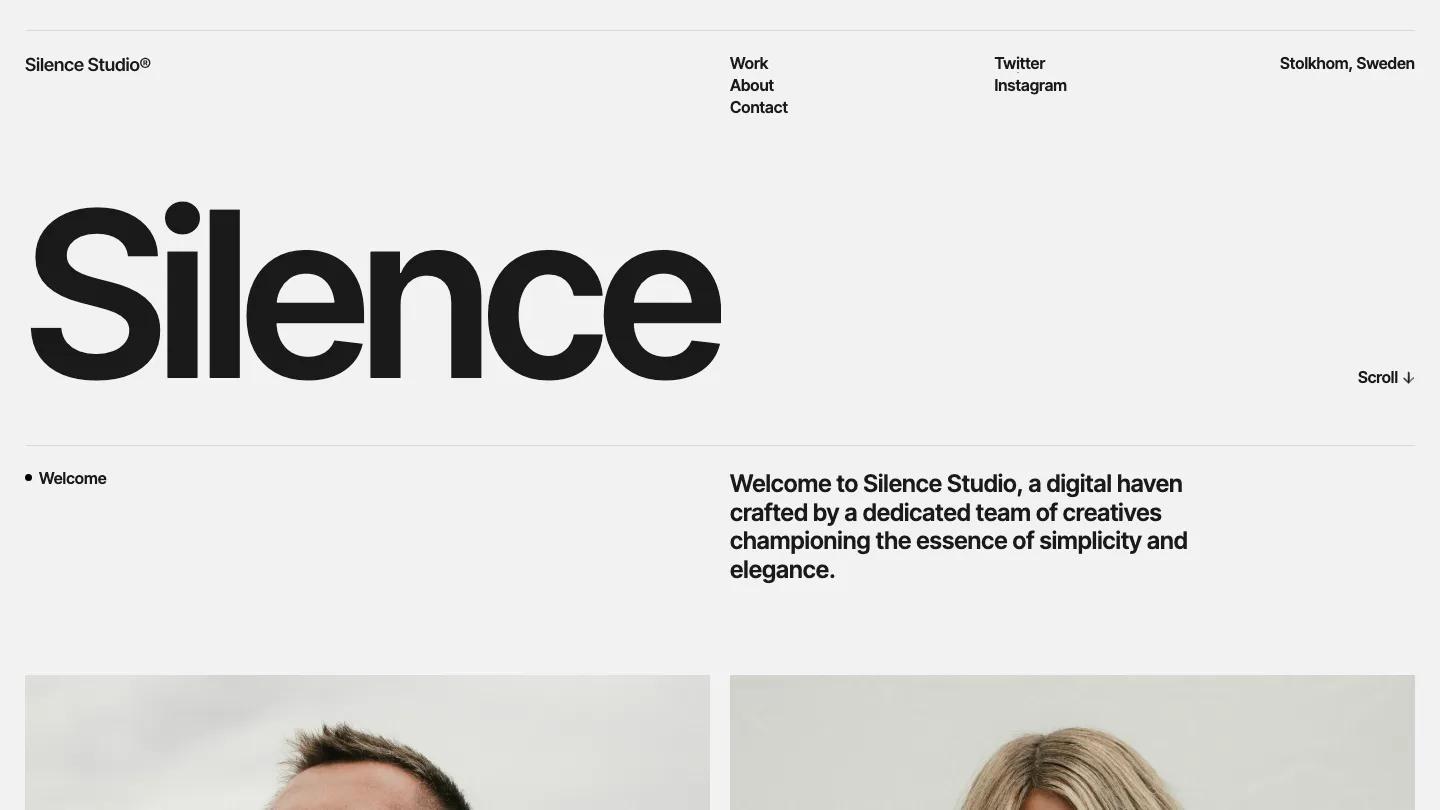
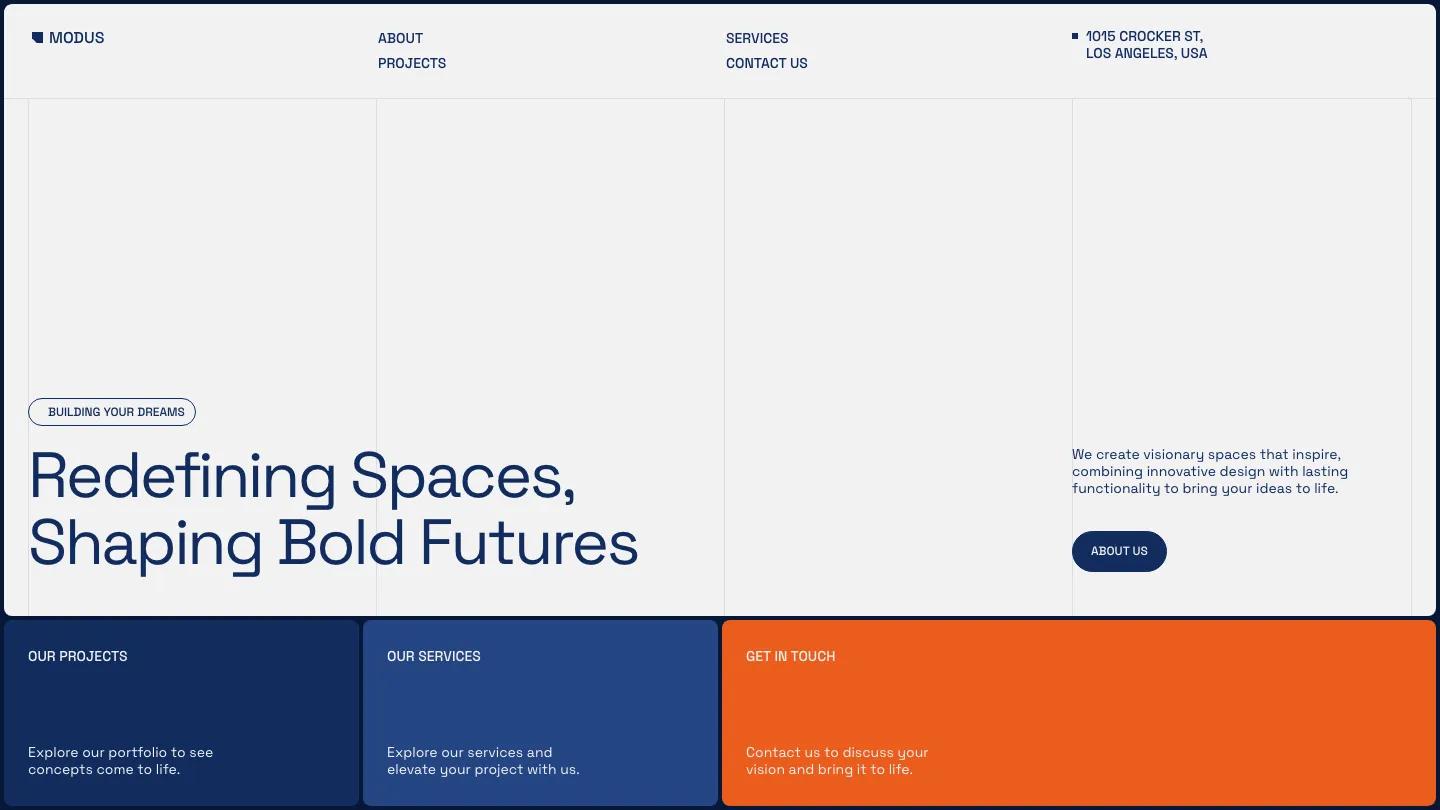
Where premium earns its price is scope. Paid templates ship with more page layouts, deeper CMS collections with conditional visibility already configured, working e-commerce structures, and ongoing updates from the creator. If you're selling software, courses, or design assets, our guide to the best Webflow templates for digital products covers templates built specifically for automated delivery and licensing. A free template with two content types and five pages is genuinely enough for a portfolio. It's rarely enough for a content-heavy business site, and stretching it past its structure costs more in build hours than the $79 you saved. Our full breakdown of whether free Webflow templates hold up for client work maps exactly where free breaks.
How do you find the right Webflow template for a specific project?
Match the template's structure to your sitemap before you look at aesthetics. List the pages and content types your project needs, then eliminate every template that doesn't already include them. Restructuring a template's CMS costs more hours than styling ever will. Once the structural fit is confirmed, judge design quality, check the responsive behavior at real breakpoints, and confirm the license covers your use.
The structural check takes five minutes per template and prevents the most expensive mistake in template selection: buying a design you love that was built for a different kind of site. A template built around a projects CMS will fight you if your site is really a services-and-pricing business. Style is adjustable in an afternoon. Information architecture is not. Our walkthrough on how to customize a Webflow template covers what that adjustment actually involves.
This is also where independent scores earn their keep. Our Dev Score specifically measures the things you can't see in a screenshot: class naming discipline, CMS implementation, breakpoint handling, and load performance. Our scoring methodology documents how multiple reviewers test each template independently and how their scores are averaged. A template at Dev: 9.5/10 will absorb heavy customization. A template at Dev: 7.2/10 will work, but you should know which one you're buying before the invoice, not after.
FAQ

Are Free Webflow Templates Good Enough for Client Work?
by Lauren Smith
Best Webflow Templates for Digital Products 2026
by Lauren Smith
Top-Rated Webflow Templates for Portfolios, Agencies, and Small Businesses (2026)
by Marcus Jones
15 Best Webflow Templates for SaaS and Tech Startups 2026
by Lauren Smith
30 Best Free Webflow Website Templates 2026
by Emma Clark