How Much Do Website Templates Cost in 2026? Real Prices From 860 Reviewed Templates


Paid Webflow templates average $79, Framer $68, and Shopify themes $336. We pulled real prices from all 860 templates in our library to show what you'll actually pay in 2026. The surprising part is how little price predicts quality.
A website template costs between $19 and $490 in 2026, depending on the platform you build on. Across the 860 templates we've reviewed and published, paid Webflow templates average $79 (median $79, range $24 to $169), paid Framer templates average $68 (median $59, range $19 to $199), and paid Shopify themes average $336 (median $360, range $100 to $490). Free templates exist on all three platforms: 48% of the Framer templates in our library are free, against 11% on Webflow and 9% on Shopify.
That's the short answer to how much website templates cost. The longer answer matters more, because the sticker price tells you almost nothing on its own. A $19 Framer template and a $490 Shopify theme are not competing products, and the marketplaces selling them won't explain the difference.
Every number here comes from our own library: 333 Webflow templates, 361 Framer templates, and 166 Shopify themes, each scored independently on design and development quality by multiple reviewers. Only templates with an Overall Score of 7.0 or above get published. That means these prices describe the market for templates actually worth buying, not a marketplace average dragged around by products we'd never recommend.
How much do website templates cost in 2026?
Expect to pay $59 to $79 for a good Webflow or Framer template and $300 to $400 for a good Shopify theme. Those figures are the paid medians from our library: $79 on Webflow, $59 on Framer, and $360 on Shopify. Free templates that clear our 7.0 quality threshold exist on every platform, but they're plentiful on Framer and scarce on Shopify.
| Platform | Paid average | Paid median | Paid range | Free share of our library |
|---|---|---|---|---|
| Webflow | $79 | $79 | $24 to $169 | 11% (36 of 333) |
| Framer | $68 | $59 | $19 to $199 | 48% (175 of 361) |
| Shopify | $336 | $360 | $100 to $490 | 9% (15 of 166) |
One caveat before the platform breakdowns: these are one-time purchase prices. Every platform also charges a monthly subscription to host and run the site, and that recurring cost usually passes the template price within the first year. We cover the full math below, and our platform cost calculator works it out for your specific setup.
Webflow template prices: what $24, $79, and $169 actually buy
Paid Webflow templates in our library run from $24 to $169, and both the average and the median sit at exactly $79. That clustering is the market telling you something: $79 is the going rate for a complete multi-page business, portfolio, or agency template with working CMS collections. Prices below that usually mean narrower scope, and prices above it usually mean more scope, not better craft.
At $24 to $49, you're typically buying a focused, single-purpose template: a one-page portfolio, a personal site, a landing page. The design can be excellent at this price, but expect fewer page layouts, a minimal CMS structure (often one collection or none), and interactions kept deliberately simple. If your project genuinely needs three pages, this tier isn't a compromise.
The $79 middle covers most of the library, and it's where the standard package lives: 10 to 15 page layouts, CMS collections for blog posts and case studies or projects, styled utility pages, and a style system consistent enough to extend without fighting it.
At $129 to $169, you're paying for volume: 20 or more page layouts, several CMS collections wired together, e-commerce pages, and style systems built to be reused across projects. An agency producing client sites from one purchase gets its money back quickly. A founder launching a single site usually pays for pages that get deleted in week one.
Free Webflow templates are rare but real: 36 of our 333, averaging Overall: 7.7/10. We collected the strongest in our 30 best free Webflow templates for 2026.
Framer template prices: a lower median and a huge free tier
Paid Framer templates average $68 with a median of $59, and the gap between those two numbers matters. The median sits $20 below Webflow's because most paid Framer templates are priced in the $39 to $79 band, while a smaller group of large multi-page kits stretches the range up to $199 and pulls the average above the median.
The bigger story is the free tier. 175 of the 361 Framer templates in our library are free. That's 48% of the platform's library, more than four times Webflow's free share. Framer's creator community treats free templates as portfolio pieces and distribution, so designers who'd charge $79 on another platform give comparable work away to build an audience. Framer templates also skew toward single-purpose sites (portfolios, personal pages, landing pages), where the smaller scope makes free viable.
Free on Framer does not mean worse. Free Framer templates in our library average Overall: 8.0/10 against 8.3/10 for paid, a gap of 0.3 points. That's the smallest free-to-paid quality gap of any platform we cover, which is why we tell people starting a portfolio or personal site to browse the free Framer templates before spending anything. Our Framer roundup for 2026 mixes both tiers for exactly this reason.
Shopify theme prices: why themes cost four to five times more
Paid Shopify themes in our library run $100 to $490, averaging $336 with a median of $360. That's four to five times what Webflow and Framer templates cost, and the difference is structural rather than opportunistic. A Shopify theme is storefront software, not a set of page designs.
A theme has to ship working templates for product pages, collection pages, cart and checkout-adjacent flows, search, filtering, and customer accounts, plus a section library the merchant can rearrange without touching code. It has to stay compatible with the third-party apps most stores install for reviews, subscriptions, and marketing. And because Shopify updates its platform continuously, theme developers ship ongoing updates and support after the sale. A Webflow template is finished the day you buy it. A Shopify theme is maintained, and the price funds that maintenance.
Our scores reflect the engineering weight. Shopify themes average Dev: 8.5/10 in our library, the highest of the three platforms, against Design: 8.0/10. The average gap between a theme's two scores is 0.63 points, roughly double Webflow's 0.33, because the build quality frequently outruns the visual design. Free Shopify themes barely exist at our quality bar: 15 of 166, averaging Overall: 7.6/10, and we reviewed all of them in our 15 best free Shopify themes for 2026.
Does a higher price mean a better template?
Slightly, and less than you'd expect. Paid templates outscore free ones on every platform we cover: Overall: 8.4/10 paid versus 7.7/10 free on Webflow, 8.3/10 versus 8.0/10 on Framer, and 8.3/10 versus 7.6/10 on Shopify. The correlation is real. It's also small, and on Framer it nearly disappears.
Within the paid tier, price tracks scope, not execution. A $169 Webflow kit costs more than a $49 one-pager because it contains more pages and more CMS structure, not because the typography is set with more care. Our reviewers score both against the same criteria, and templates near the bottom of the paid price range regularly hold their own against the expensive kits on both scores.
The other reason price predicts little inside our library is the selection itself. Every template here already cleared the 7.0 threshold under our multi-reviewer scoring process, so the worst options are gone regardless of price. A free Framer template averaging Overall: 8.0/10 is a safer purchase than an unvetted $300 theme from a marketplace that publishes everything. Use price to match scope to your project. Use the scores to judge quality.
The template is not the whole cost
The template is usually the smallest line item in what a website costs. Every platform charges a monthly subscription to host and run the site, billed for as long as the site is live, and on most setups that subscription passes the one-time template price within the first year. Shopify stores add app subscriptions and payment processing on top of the plan itself.
That's why comparing a $59 Framer template against a $360 Shopify theme on sticker price alone gets the decision wrong. The recurring platform cost shapes the multi-year total far more than the template does, and the platforms price their plans very differently.
We built our platform cost calculator for exactly this problem. It combines template price, platform subscription, and platform-specific extras into a single running total, so you can compare what a Webflow, Framer, or Shopify build actually costs over one, two, or three years before you commit. If you haven't settled on a platform yet, our Webflow vs Framer vs Shopify comparison covers which platform fits which kind of project.
When paying more is worth it, and when it isn't
Pay more when the scope is real. A marketing site that needs 15 pages, three CMS collections, and localized variants will burn more than the $90 price difference in build time if you start from a $49 single-purpose template and stretch it. An agency reusing one $169 kit across five client projects is paying $34 per site. And on Shopify, a $360 theme attached to a store doing real revenue is a rounding error; a product page that converts even slightly better repays it in weeks.
Skip the premium when the scope is small. A portfolio, a personal site, or a waitlist page on Framer has 175 free options averaging Overall: 8.0/10 in our library, and buying a $199 multi-page kit for a four-page site means paying for structure you'll delete. The same logic applies on Webflow at the $24 to $49 tier: a focused cheap template that matches your sitemap beats an oversized kit that doesn't.
The test we'd apply before any purchase: list the pages and content types your site needs in its first year, then buy the cheapest template whose Design and Dev scores you trust that covers that list. Price buys scope. The scores tell you about quality.
A visual sample from the library
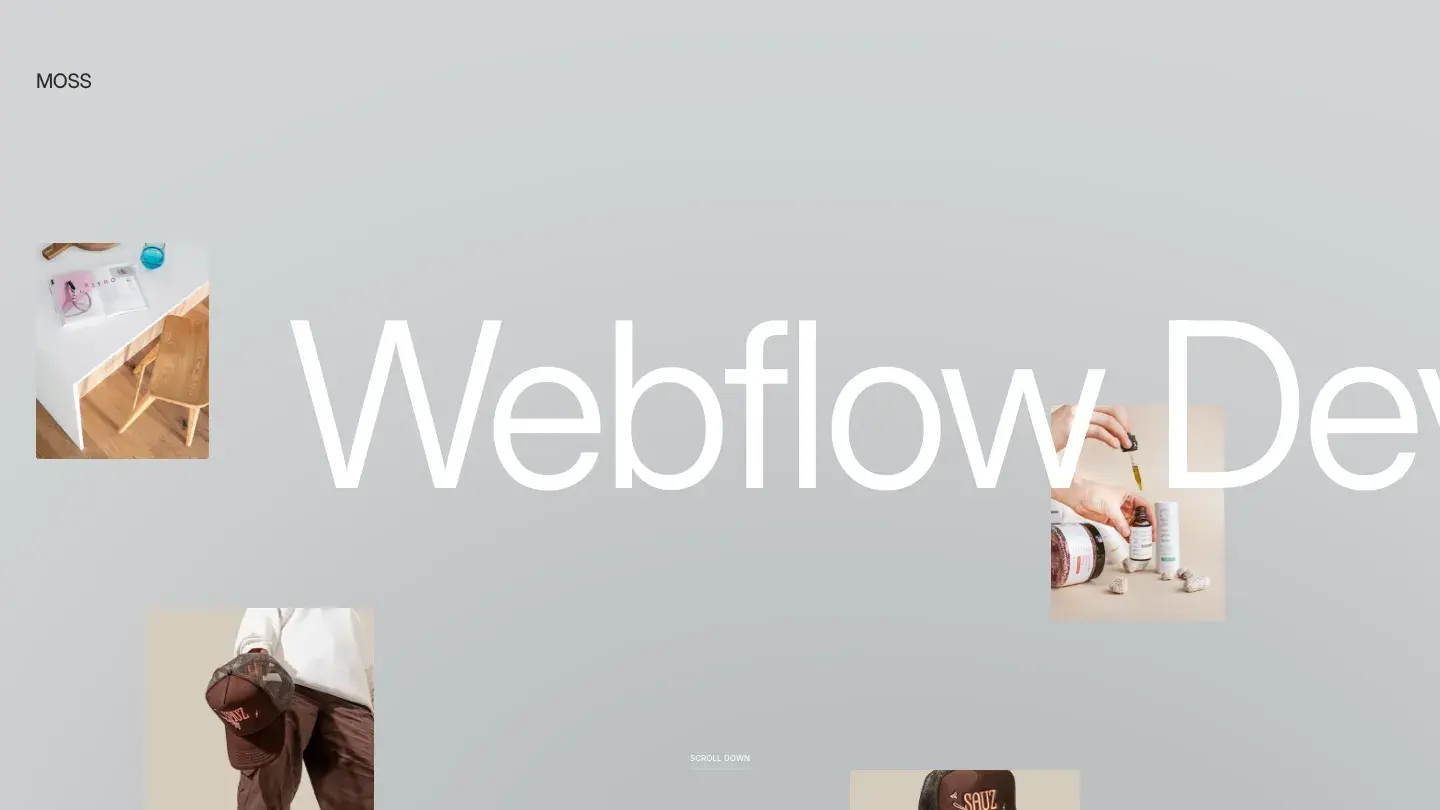
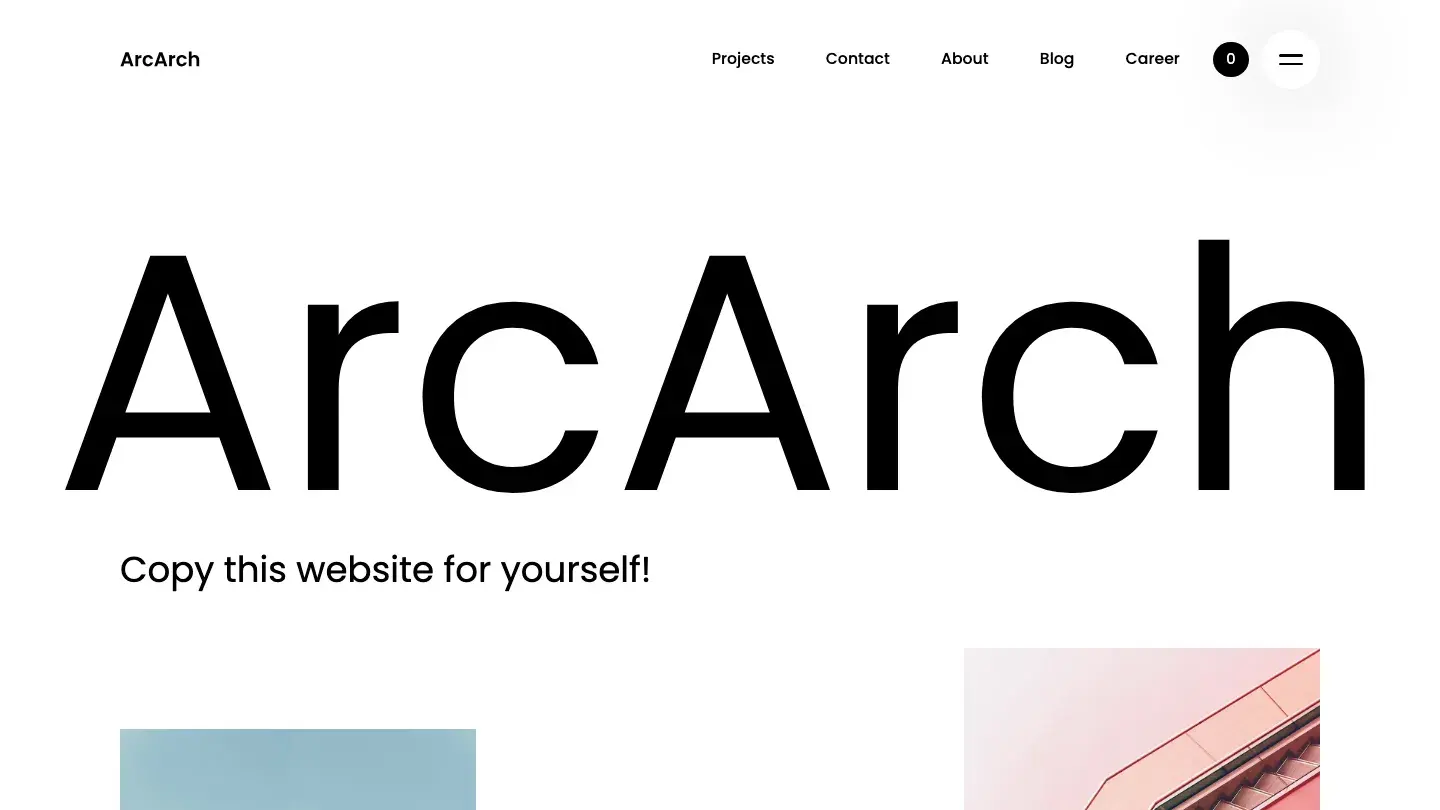
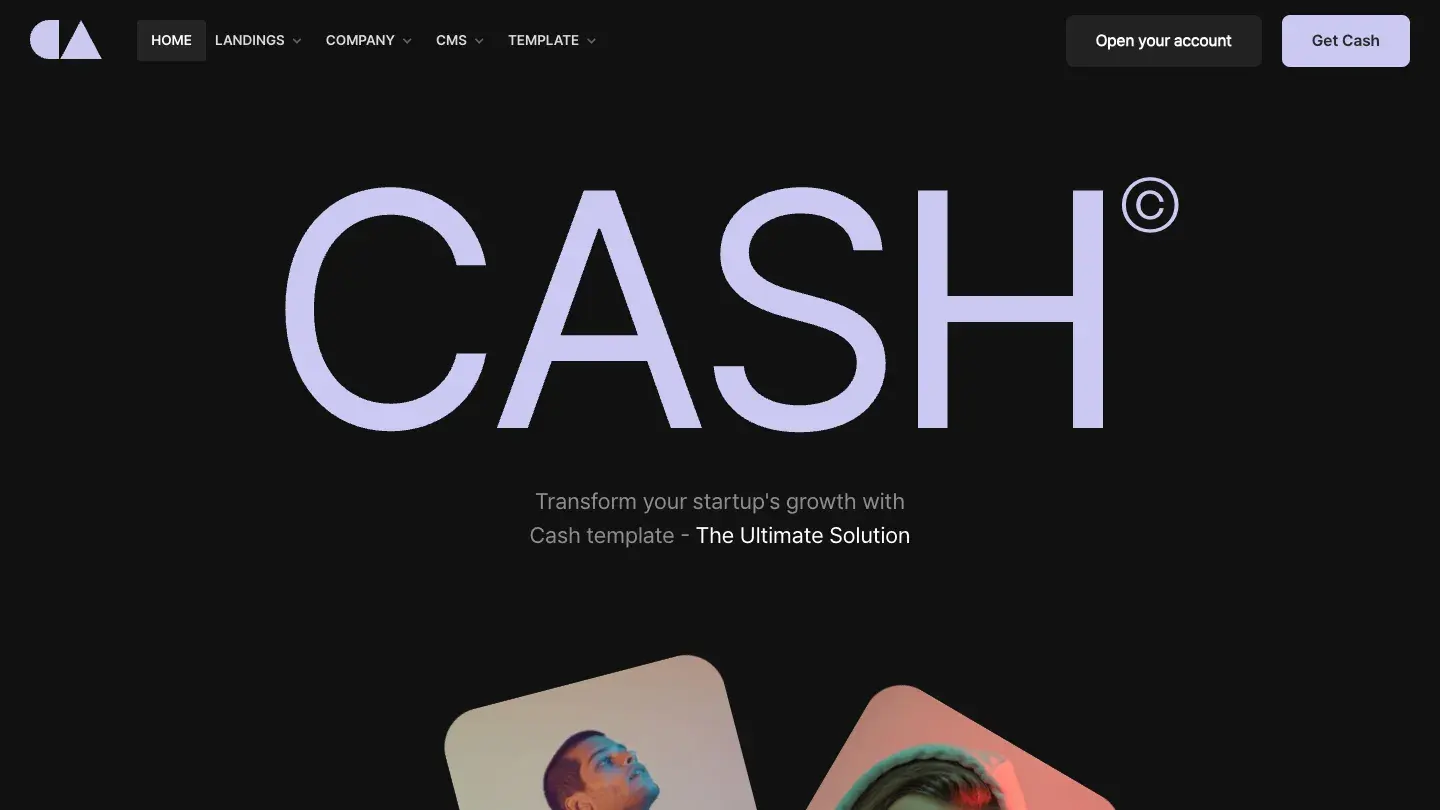
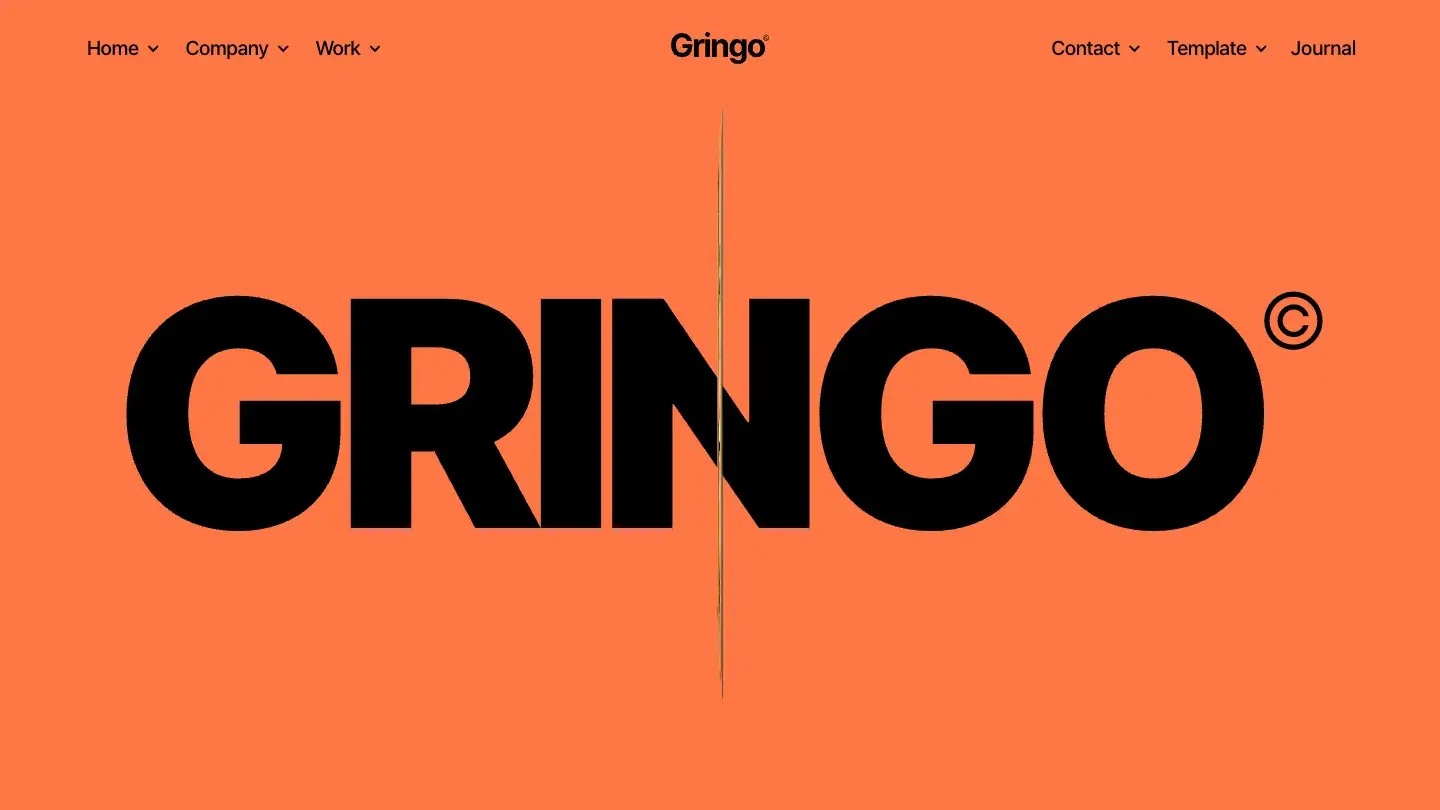
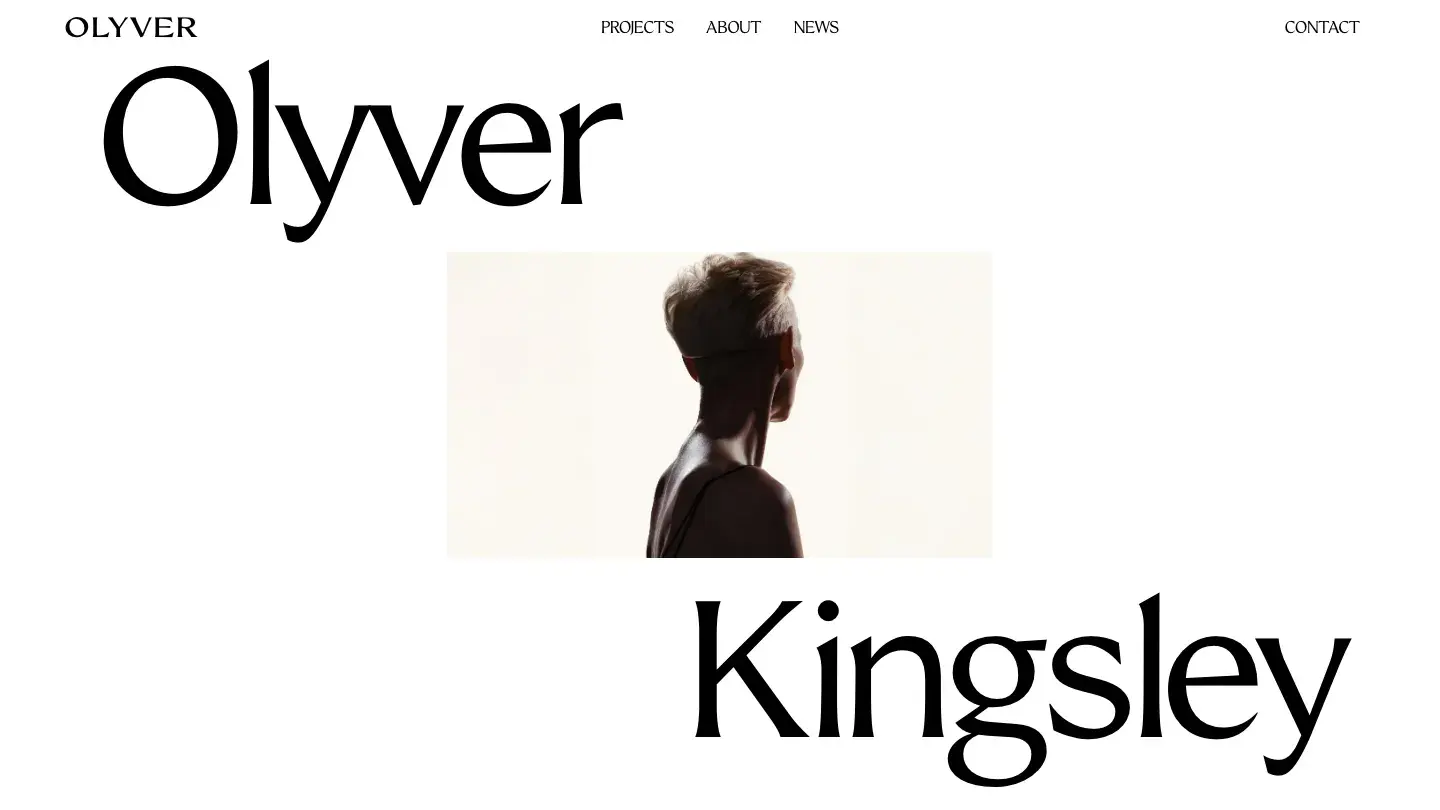
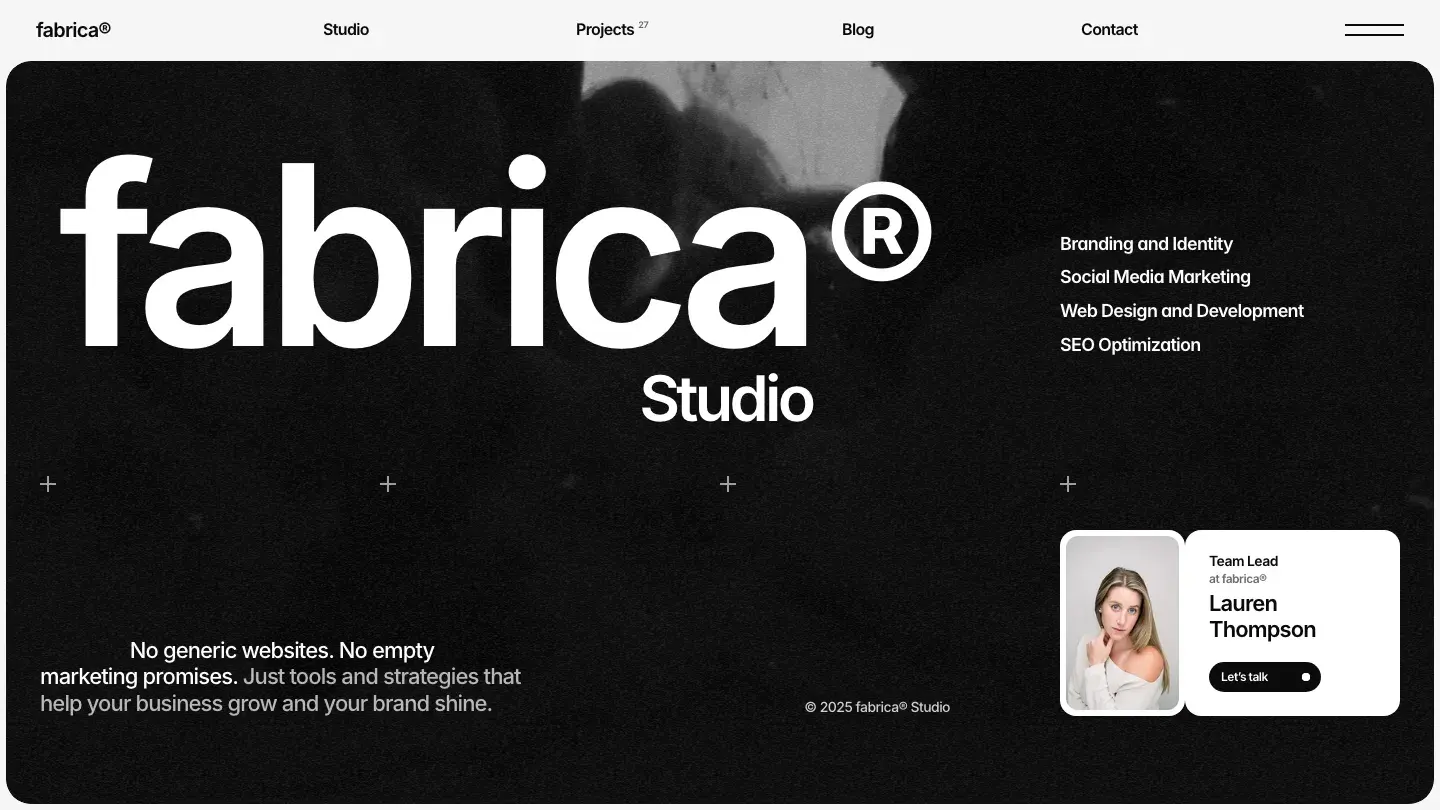
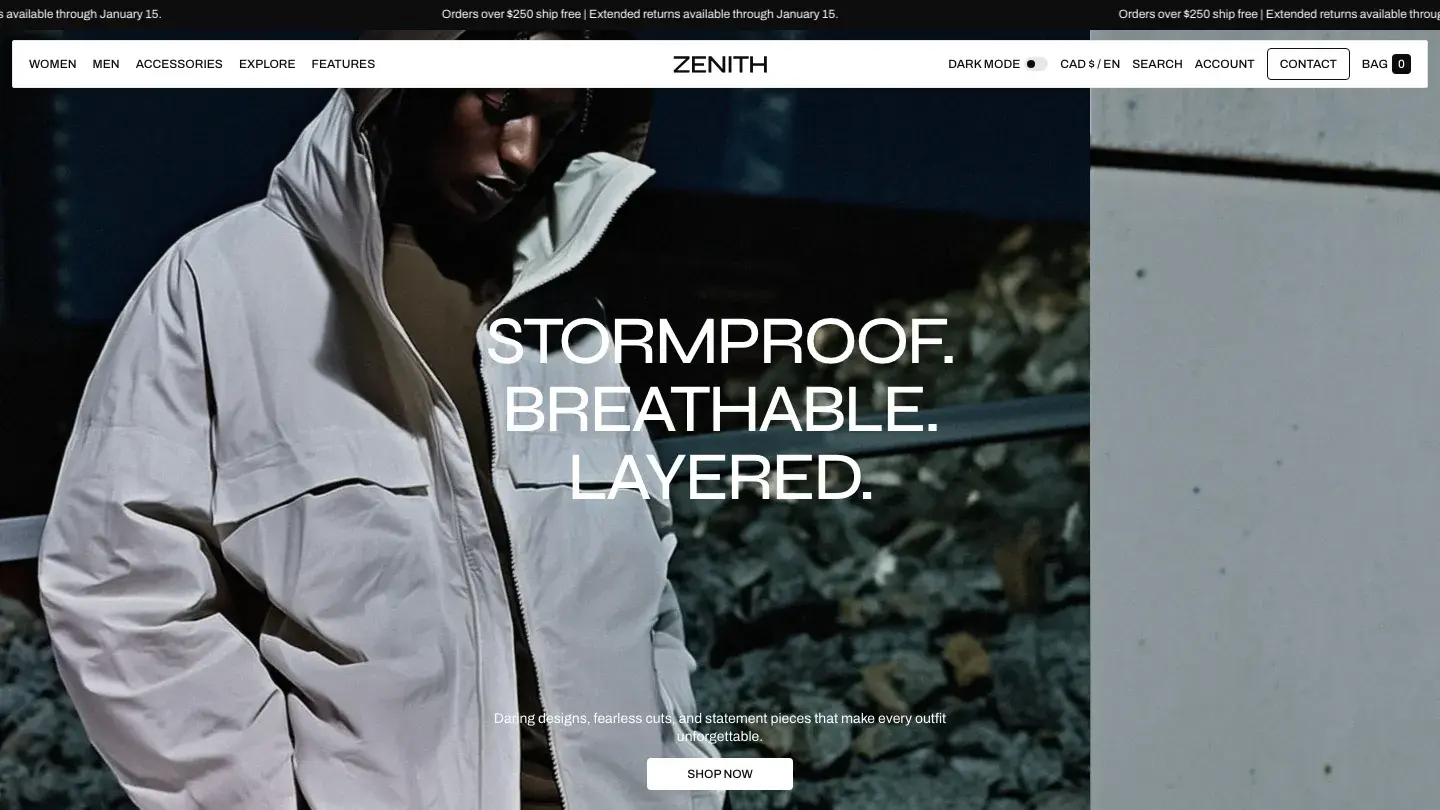
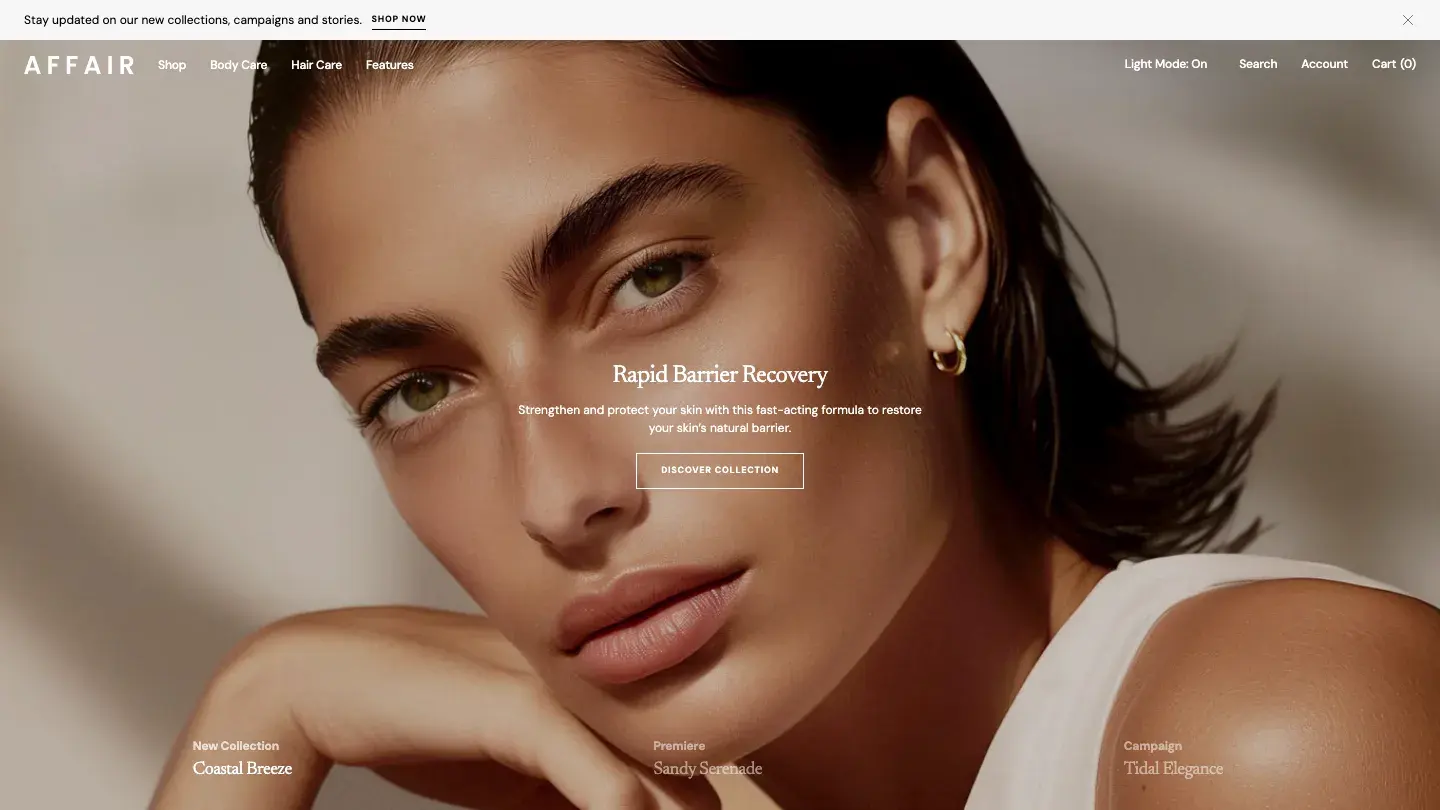
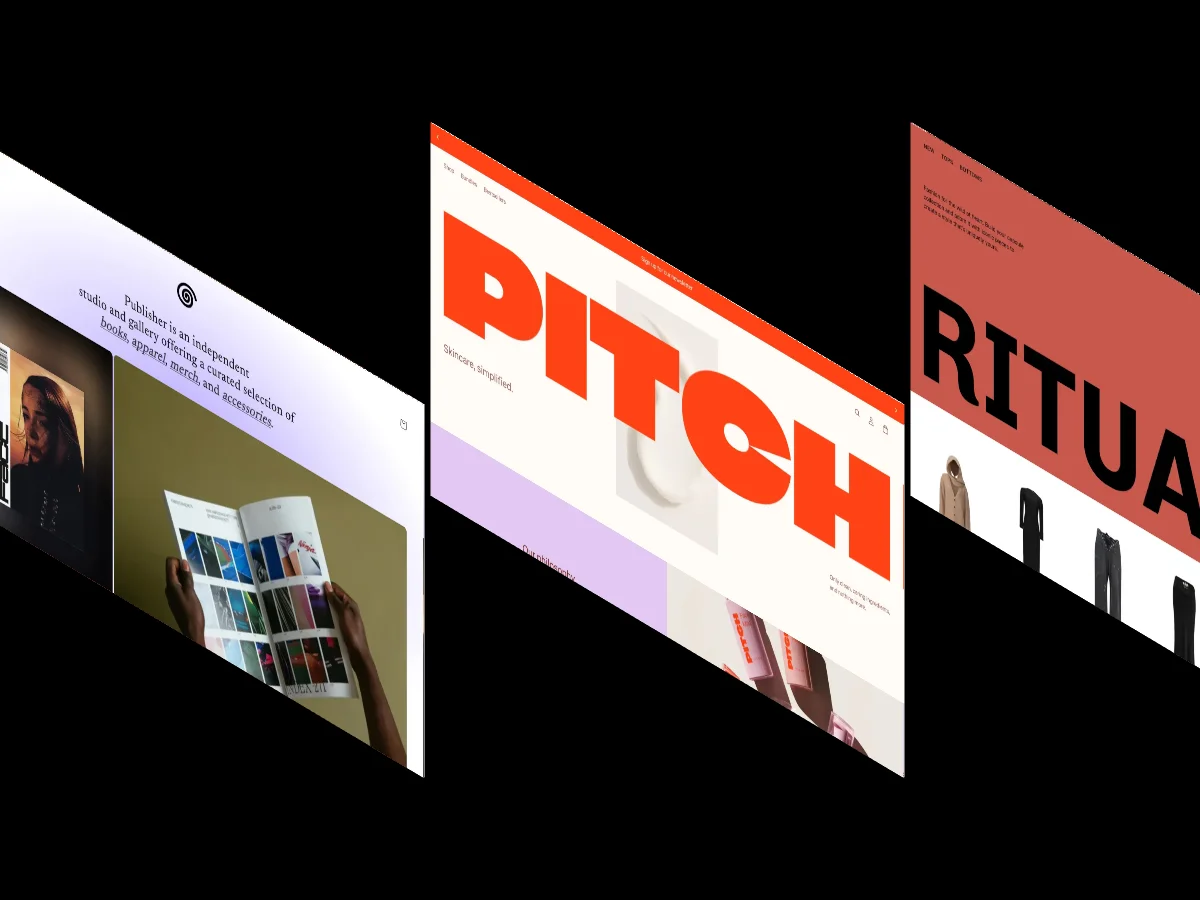
These are some of the highest-scoring templates currently published. Hovering over any card on our listing pages plays a looping screen recording of the homepage.






FAQ
Are free website templates good enough for a real business site?
On Framer, usually. The 175 free Framer templates in our library average Overall: 8.0/10, only 0.3 points behind paid. On Webflow, sometimes: 36 free templates average Overall: 7.7/10, so the good ones exist but the selection is thin. On Shopify, only 15 free themes clear our 7.0 threshold, so most stores end up paying.
Why are Shopify themes so much more expensive than Webflow or Framer templates?
A Shopify theme covers an entire storefront: product, collection, cart, search, and account pages, plus a merchant-editable section system, app compatibility, and ongoing updates as Shopify changes its platform. The $336 average price funds continued maintenance, not just the initial design. Webflow and Framer templates are one-time deliverables with a much smaller surface area.
Do website templates have recurring fees?
The template itself is a one-time purchase on all three platforms. The recurring cost comes from the platform subscription that hosts the site, plus apps and payment fees on Shopify. Our platform cost calculator adds those together so you can see the real multi-year total.
Is a $169 Webflow template better than a $79 one?
Bigger, usually. Better, not reliably. In our reviews, the expensive tier buys more page layouts and CMS structure, while design and build quality vary as much there as they do at the median. Check the template's Design and Dev scores and count the pages you'll actually use before paying double.
Where do these price and score numbers come from?
From our own library of 860 published templates: 333 Webflow, 361 Framer, and 166 Shopify. Multiple professional designers and developers score each template independently, the published scores are the averaged results, and anything below Overall: 7.0/10 is not listed. The full process is on our methodology page.
30 Best Free Webflow Website Templates 2026
by Dean Merrick
30 Best Free & Paid Framer Website Templates 2026
by Maren Brooks
30 Best Free & Paid Webflow Website Templates 2026
by Davis Kent
Webflow vs Framer vs Shopify: Which Platform Should You Build On?
by Maren Brooks
15 Best Free Shopify Website Themes 2026
by Maren Brooks