15 Best Free Shopify Website Themes 2026

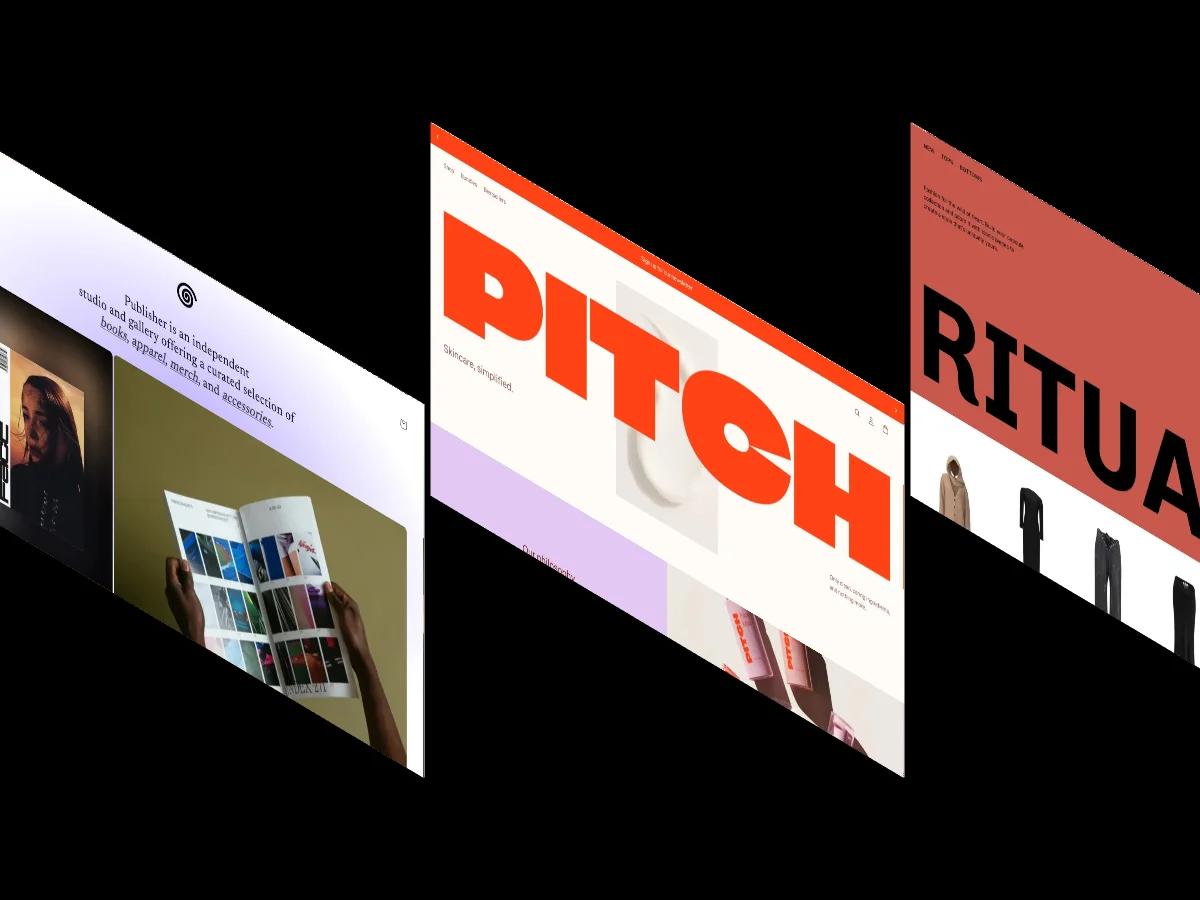
Most free Shopify themes feel like compromises: bloated with features you don't need, painfully generic, or so stripped-down that customizing them takes longer than building from scratch. We tested what actually works at zero cost, and these fifteen don't waste your setup time or leave you wishing you'd paid for something better.
Most free Shopify themes feel like they were built for no one in particular. They're bloated with features you don't need, painfully generic, or so stripped-down that customizing them takes longer than building from scratch. The real friction is finding one that doesn't feel like a compromise. The gap between "free" and "actually usable" is wider than it should be. A solid free theme should give you a clean foundation, sensible defaults that don't require a developer to tweak, and enough flexibility to make it feel like yours without needing custom code. Most free Shopify offerings fail at least one of those. They either lock you into a specific aesthetic, force you through a maze of settings to achieve anything custom, or ship with so much cruft that your site loads slowly before you've even added a product. We looked at the Shopify theme library and tested what actually works at zero cost. These fifteen don't waste your setup time, don't feel generic once you've customized them, and don't leave you wishing you'd paid for something better. Some are minimal and fast. Some pack more features than you'd expect without spending money. All of them solve a real problem.
Which free Shopify theme is best?
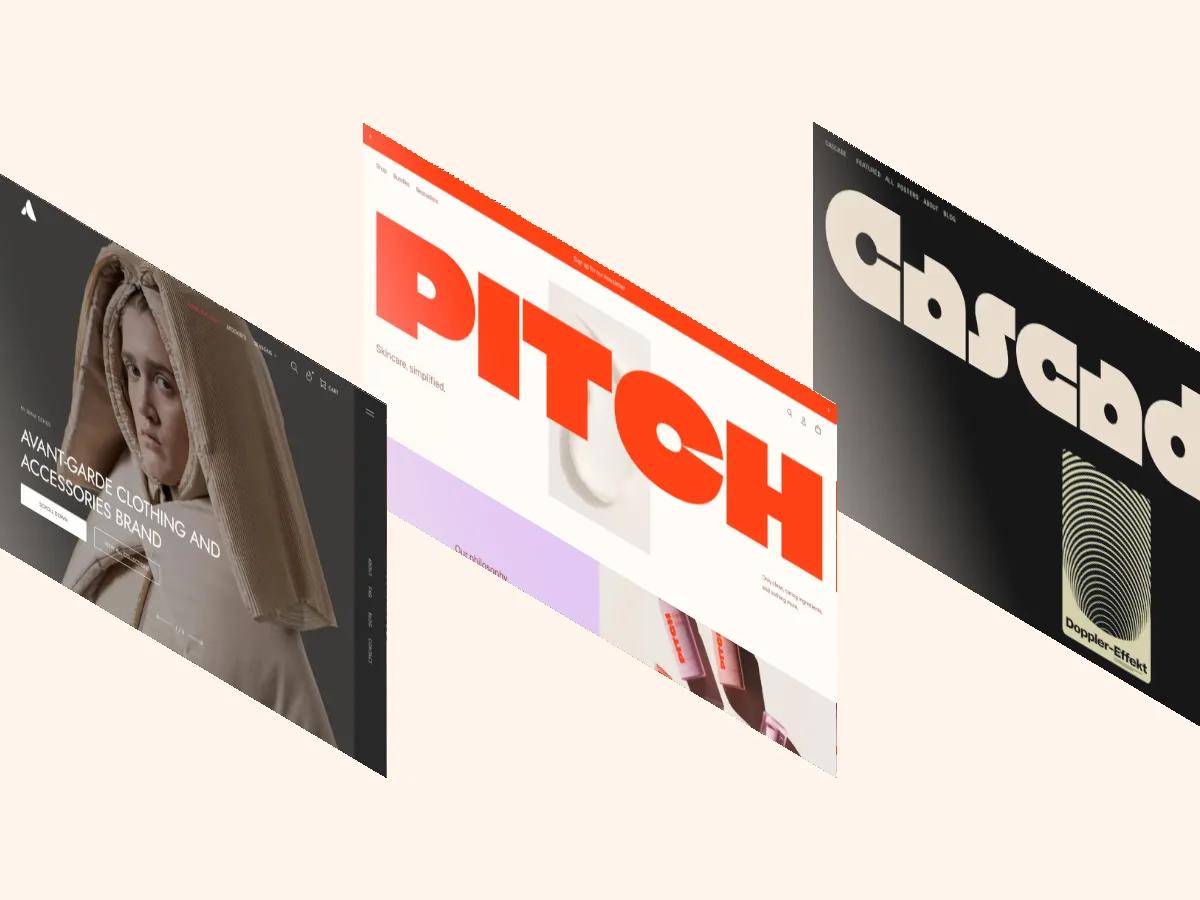
Pitch is the best free Shopify theme at Overall: 8.7/10 (Design: 9.1/10, Dev: 8.3/10), the highest score among the 15 free themes in our library of 166 independently reviewed Shopify themes. Fabric (Overall: 8.2/10) and Heritage (Overall: 8.1/10) follow. Free themes average 7.6/10 against 8.3/10 for paid, a smaller gap than the $360 median price of paid themes suggests.
The free tier has an unusual property: 14 of the 15 free themes we've scored are published by Shopify itself, so they're maintained, updated for new platform features, and held to the same Theme Store review standards as paid files. That makes free the correct starting point for new stores and dropshipping tests, a case our guide to the best Shopify themes by store type makes with numbers.
The 15 best free Shopify themes
Pitch
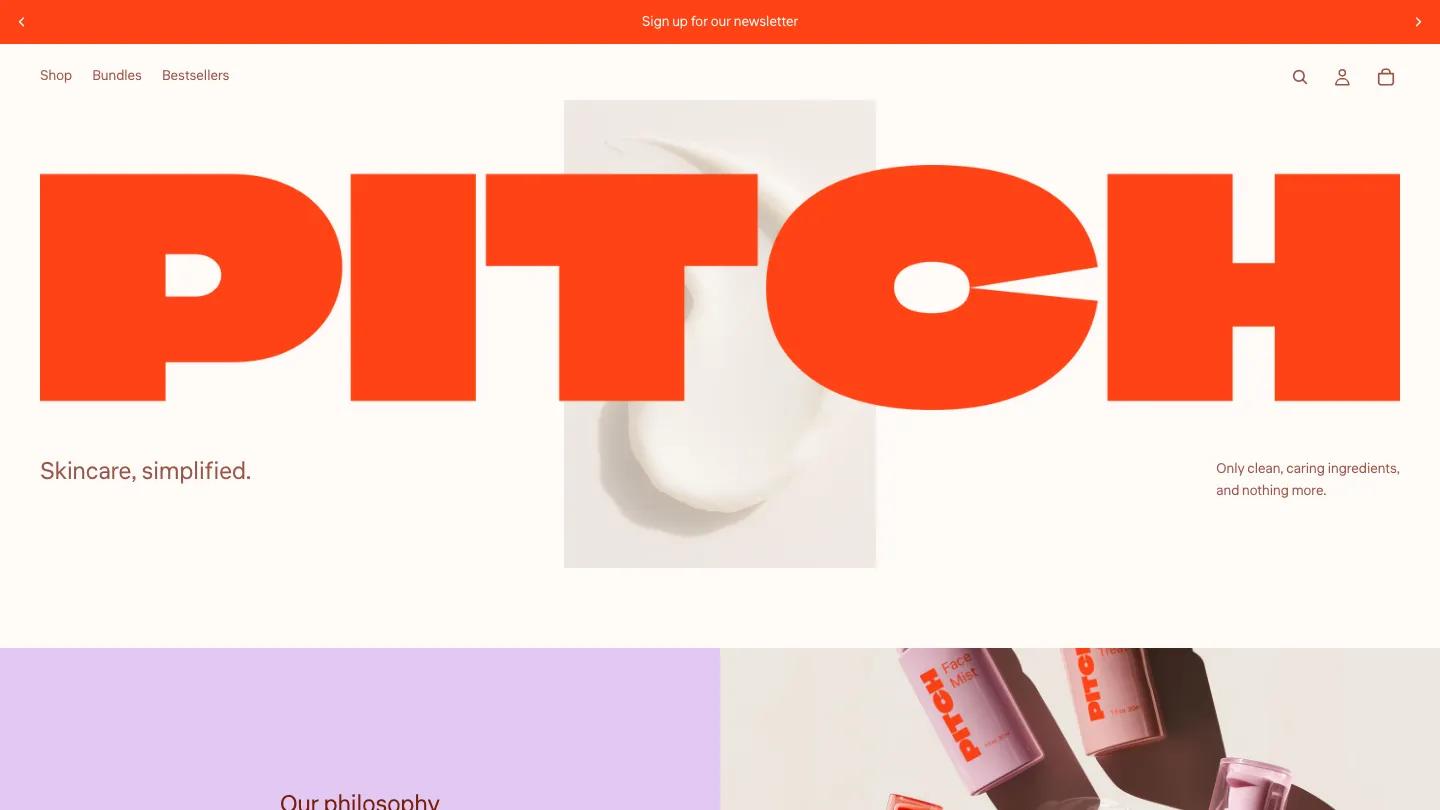
Overall Score: 8.7/10
Design Score: 9.1/10
Development Score: 8.3/10
Price: Free
Perfect for: Beauty brands or retail shops that want bold color and clean product pages without paying a dollar.
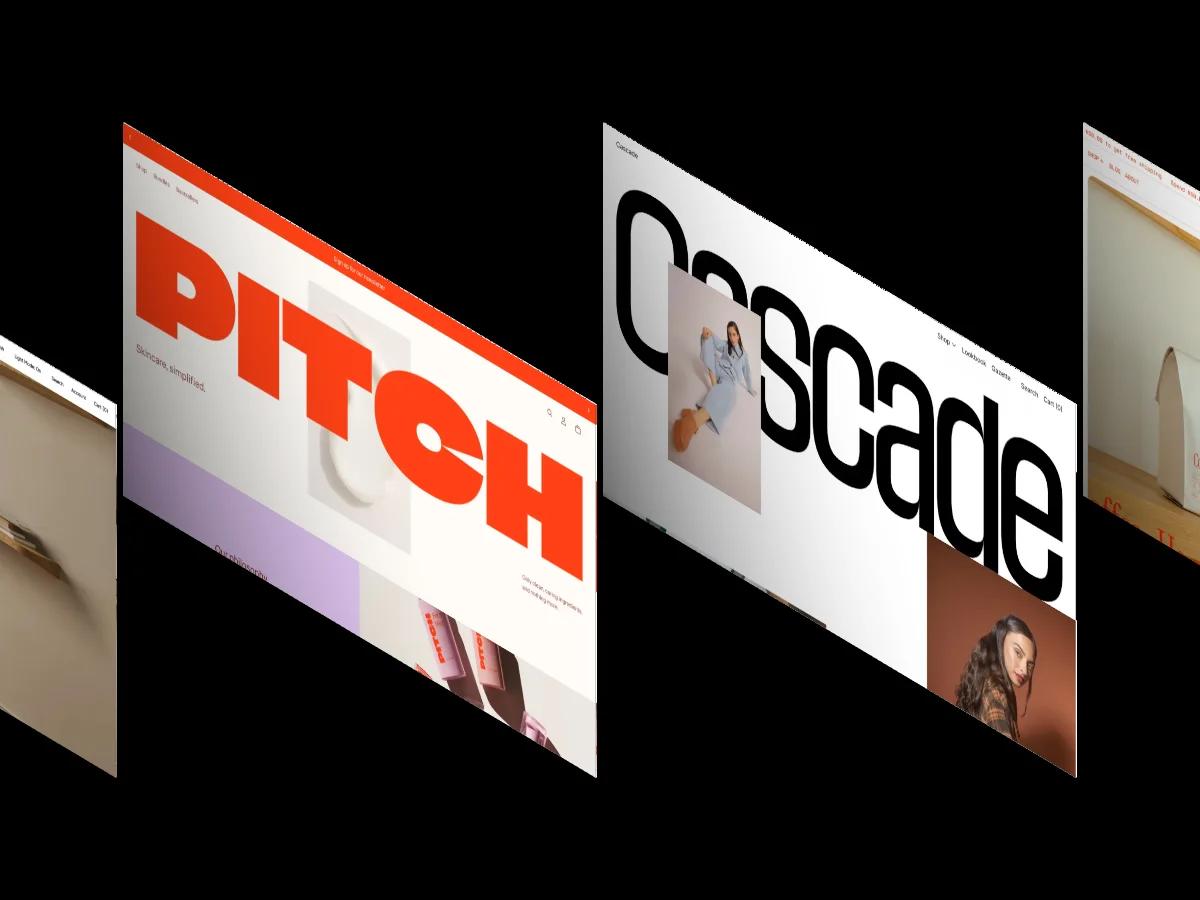
Pitch ships with scroll effects, slideshows, and sticky navigation that usually cost extra in premium themes, all free. The 9.10 design score comes from its bright color palettes and layouts built for beauty, retail, and editorial blogs, while localization and site search keep multi-region stores running smoothly. Zero budget and you still get the features most 30 Best Modern Shopify Website Themes 2026 charge for.
Fabric
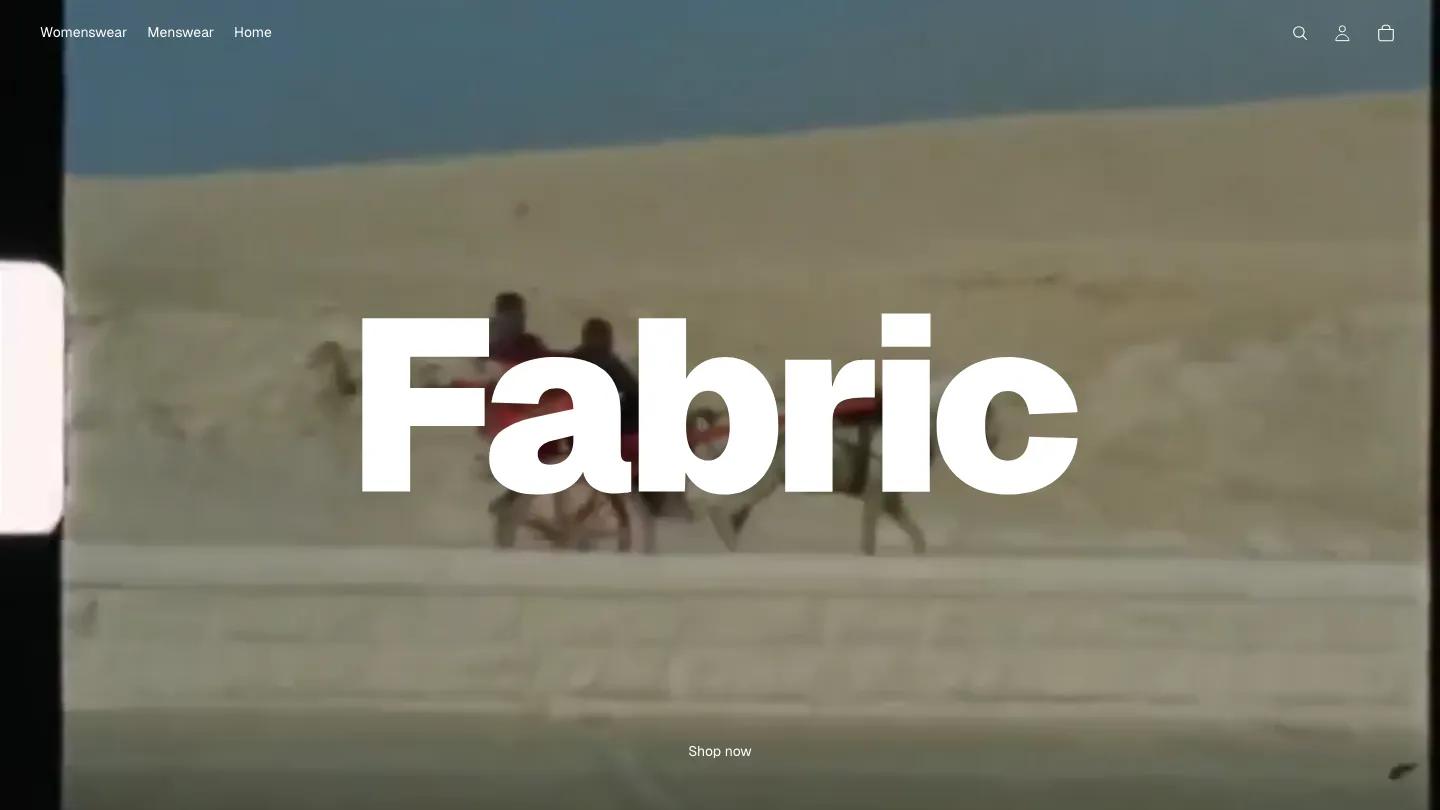
Overall Score: 8.2/10
Design Score: 8.3/10
Development Score: 8.2/10
Price: Free
Perfect for: Fashion brands or furniture stores that want a modern, minimal storefront with animation and background video built in.
Fabric ships with ecommerce essentials, product slideshows, localization, site search, and sticky scrolling, plus blog and project pages if you need editorial content. The clean, light aesthetic works across retail, accessories, and interior design; animation and overlays add polish without clutter. If you're weighing platforms, see Webflow vs Framer vs Shopify: Which Platform Should You Build On? to understand where Shopify's free themes fit.
Heritage
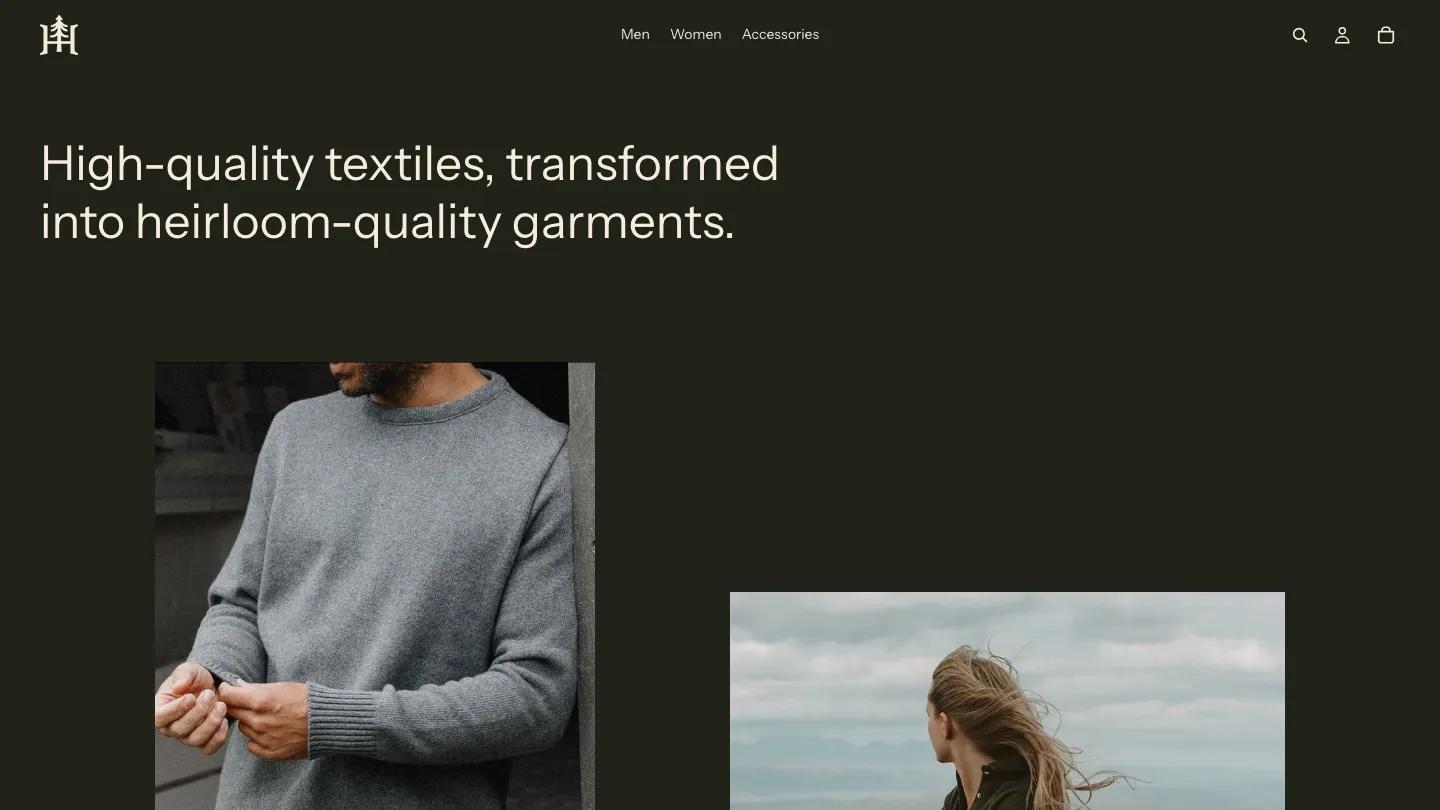
Overall Score: 8.1/10
Design Score: 8.1/10
Development Score: 8.2/10
Price: Free
Perfect for: Fashion or retail brands that want a dark, modern aesthetic with animation and sticky scrolling already built in.
Heritage ships with localization support, site search, and contact forms ready to go, practical if you're selling internationally or need rich media without custom dev. The grid layout and minimal style keep product photography front and center, though stores needing complex pricing tiers might find the structure simpler than paid alternatives. For more options across niches, explore more Shopify themes.
Tinker
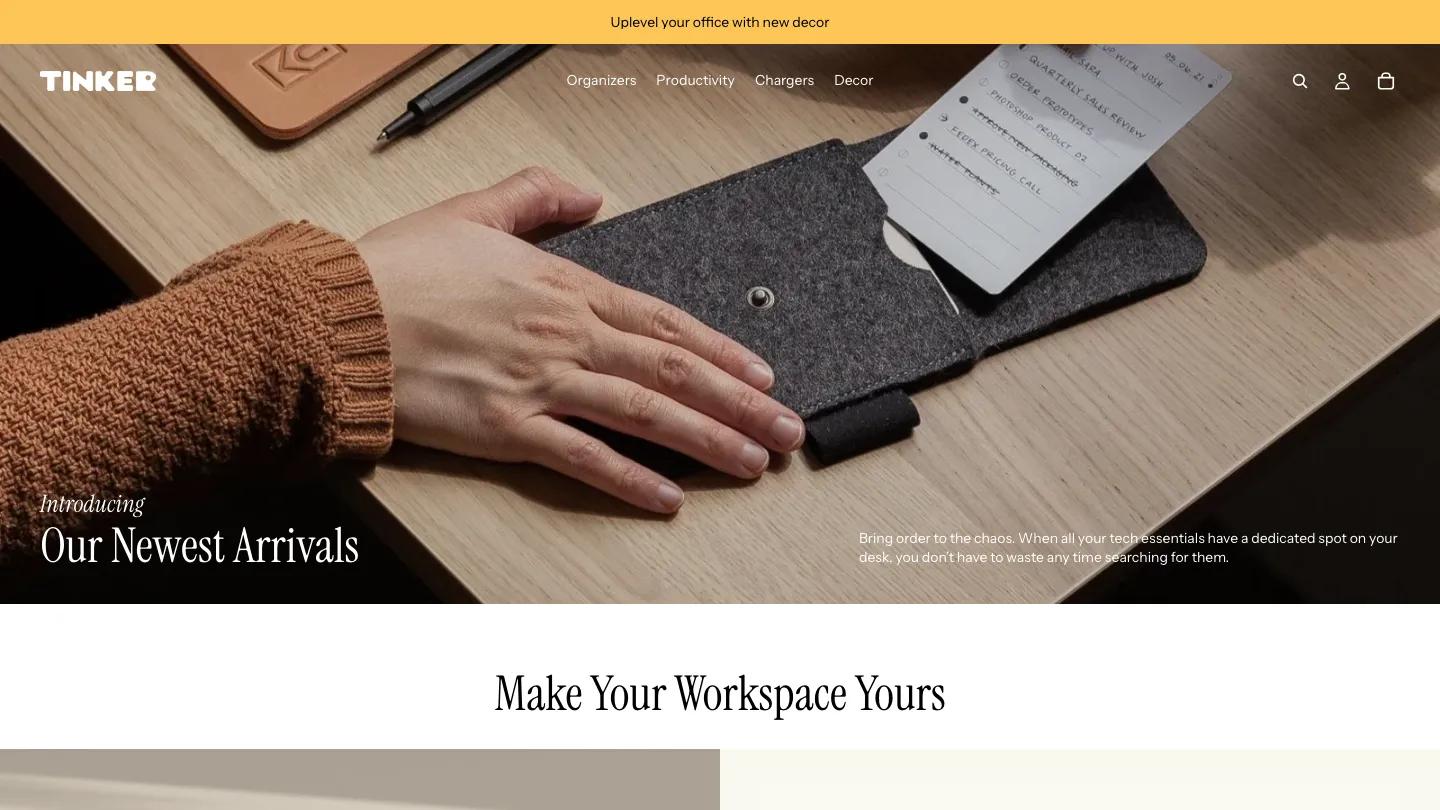
Overall Score: 8.0/10
Design Score: 7.9/10
Development Score: 8.2/10
Price: Free
Perfect for: Furniture shops, fashion boutiques, or any retail store that wants a clean storefront without clutter.
Tinker keeps typography front and center with a minimal, professional layout that handles product slideshows, site search, and blog posts right out of the box. Animation and sticky scrolling add polish, while localization and contact forms make it practical for international or local customers. If you're exploring free templates across all platforms, this Shopify option scores solidly on both design and dev, though it favors simplicity over bold visual statements.
Vessel
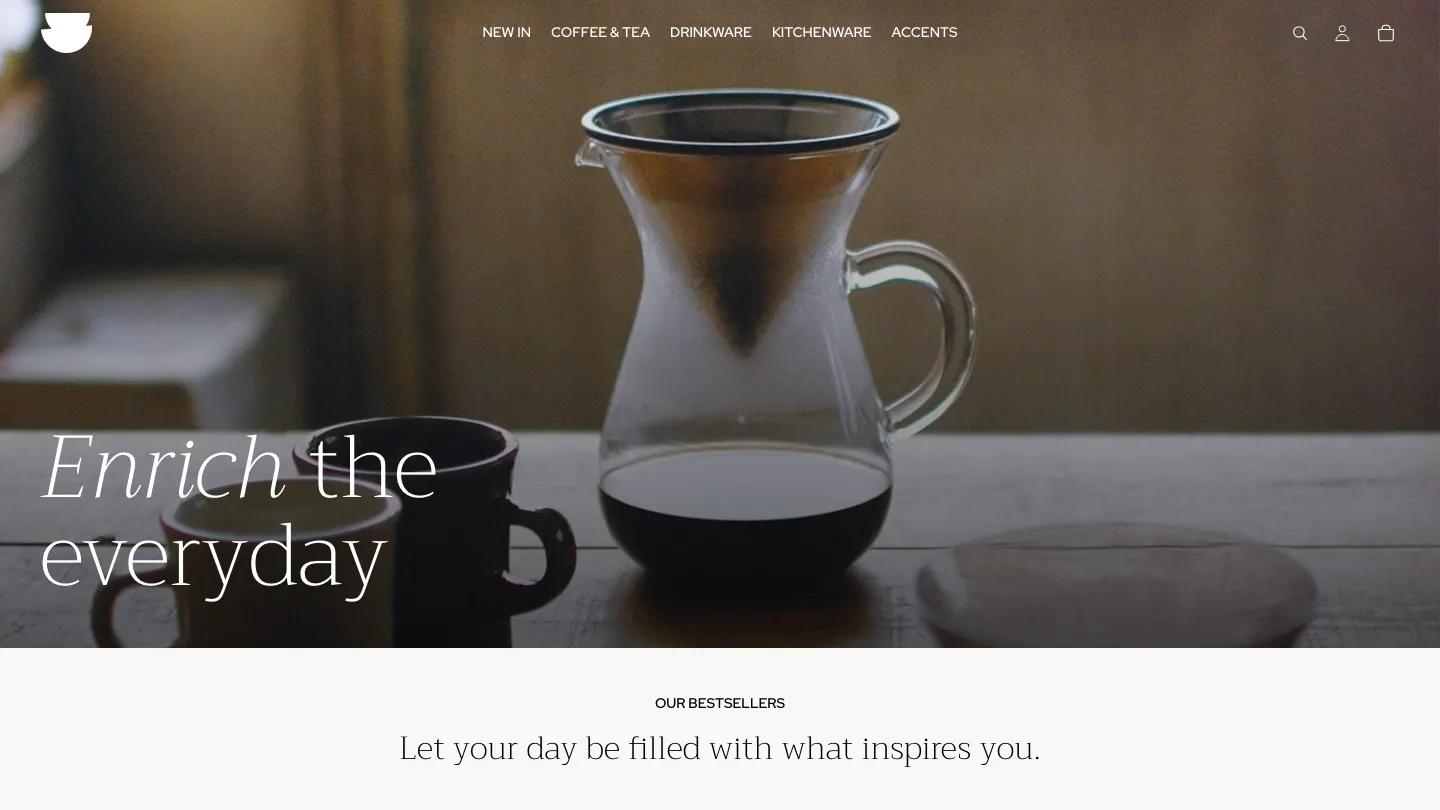
Overall Score: 8.0/10
Design Score: 7.8/10
Development Score: 8.2/10
Price: Free
Perfect for: Furniture stores or home goods shops that want a clean, professional look without custom development.
Vessel ships with animation and scroll effects already wired, plus site search and localization support if you sell across regions. The minimal, light aesthetic works well for Shopify retail and e-commerce themes where product photography should stay front and center. If you need heavy blog features or complex pricing tables, you'll add those yourself; Vessel keeps the baseline simple.
Publisher
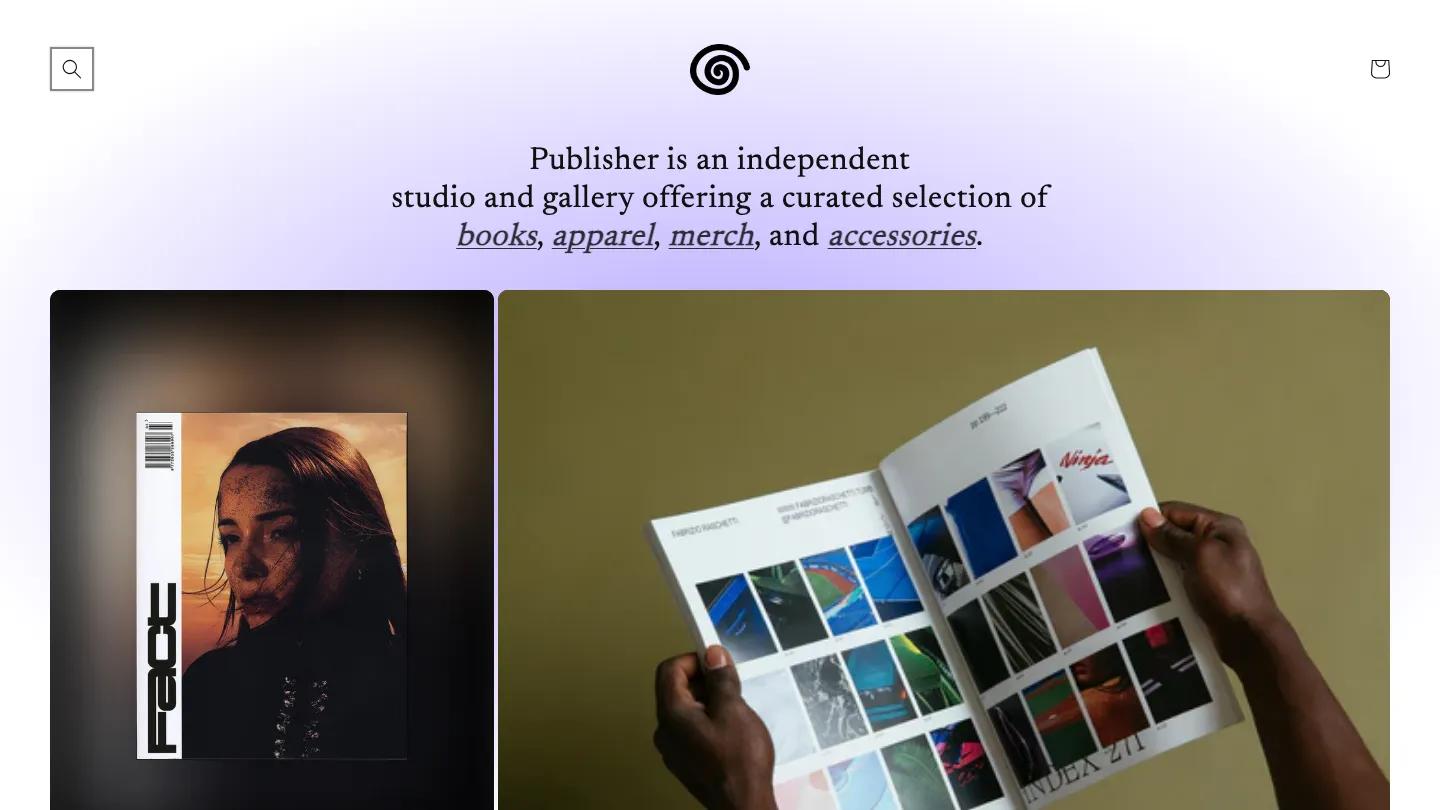
Overall Score: 7.8/10
Design Score: 8.2/10
Development Score: 7.5/10
Price: Free
Perfect for: Fashion labels or design studios that publish regular content and want a free theme with editorial polish.
Publisher gives you sticky scrolling, slideshow sections, and site search built in, designed for stores that mix product pages with blog posts and rich media. The sticky scrolling and slideshow features work well for lookbooks or seasonal collections, and site search helps visitors find content fast. If you need heavy customization beyond the included sections, you might hit the limits of a free theme, but for Shopify business and startup themes that handle both ecommerce and editorial, Publisher covers the core features without extra cost.
Ritual
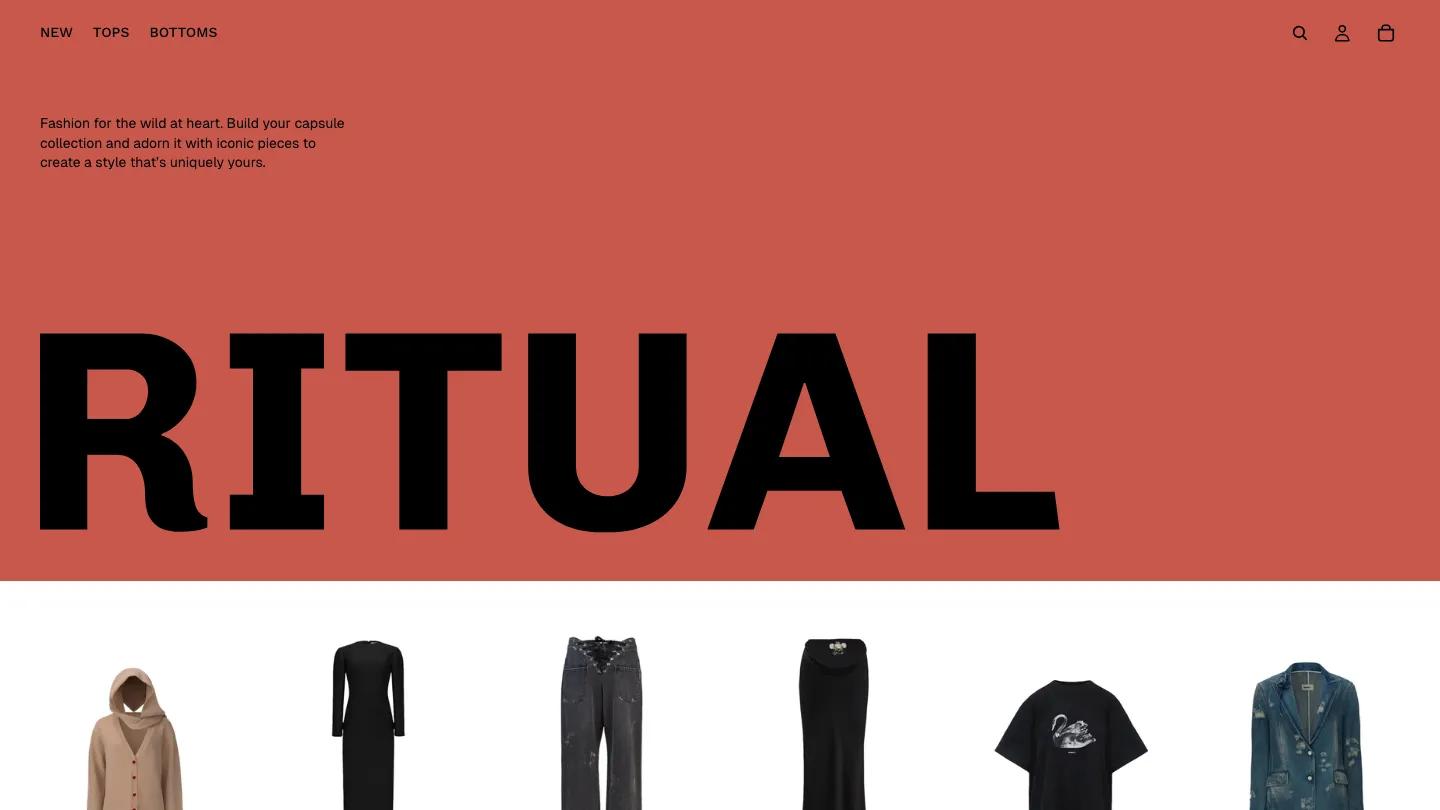
Overall Score: 7.8/10
Design Score: 7.3/10
Development Score: 8.2/10
Price: Free
Perfect for: Fashion or lifestyle brands wanting a modern, minimal storefront with animated flourishes
Ritual balances clean typography and bold product imagery with subtle animation and sticky scrolling, good for showcasing smaller catalogs where each piece gets attention. Site search, localization, and responsive design are built in, so you're covered for multi-region stores. If you need complex filtering or heavy SKU counts, the minimal structure may feel limiting.
Dwell
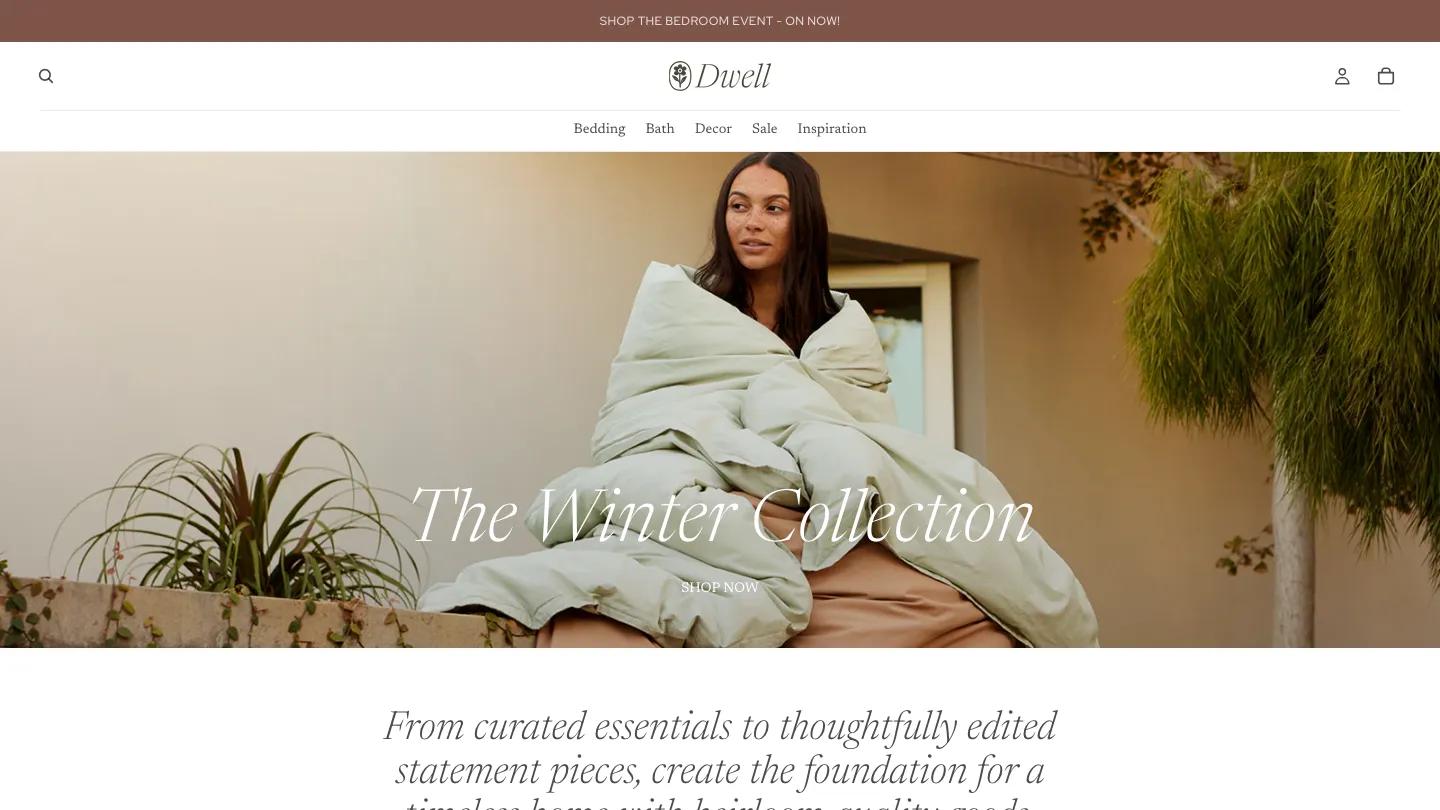
Overall Score: 7.5/10
Design Score: 7.0/10
Development Score: 8.1/10
Price: Free
Perfect for: Furniture retailers or interior design shops that need clean product grids and localization support without custom development.
Dwell ships with slideshows, sticky scrolling, and scroll effects built in, useful if you want movement without plugins. The minimal, typographic layout keeps products front and center, though the 7.00 design score reflects a straightforward aesthetic rather than standout visual polish. Free pricing makes it a practical starting point for small catalogs, and if you're comparing platforms, our Webflow template roundup covers alternatives with different trade-offs.
Horizon
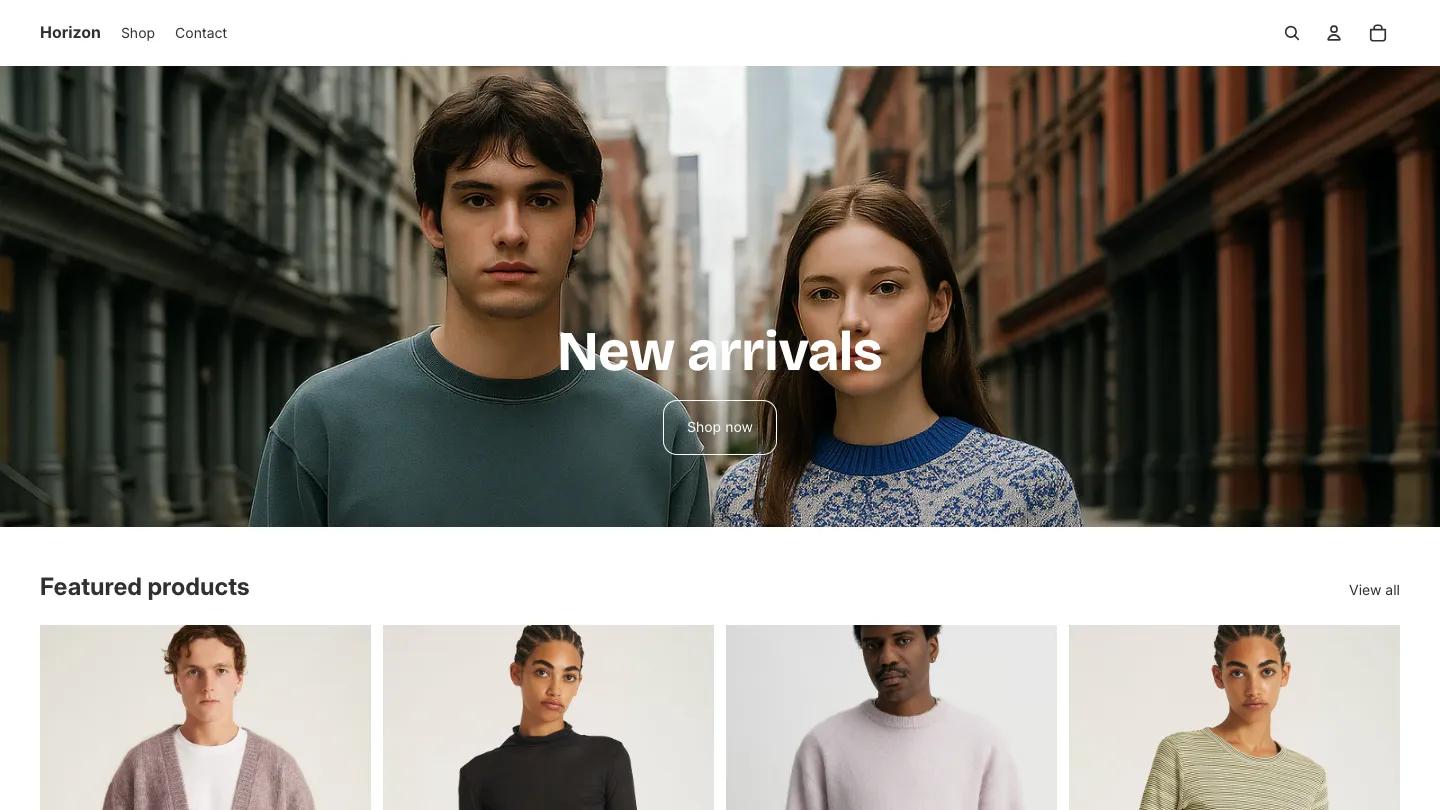
Overall Score: 7.4/10
Design Score: 7.3/10
Development Score: 7.5/10
Price: Free
Perfect for: Small fashion or retail shops launching their first store without a budget for premium themes.
Horizon ships with blog, contact, and about pages ready to customize, plus localization and site search already configured. The single-column product layouts and fixed header keep the structure simple, good for brands that want a straightforward storefront without heavy customization, though you'll find fewer homepage and collection page variations than most paid themes offer. If you're exploring other platforms, our Framer template guide covers similar starting points.
Atelier
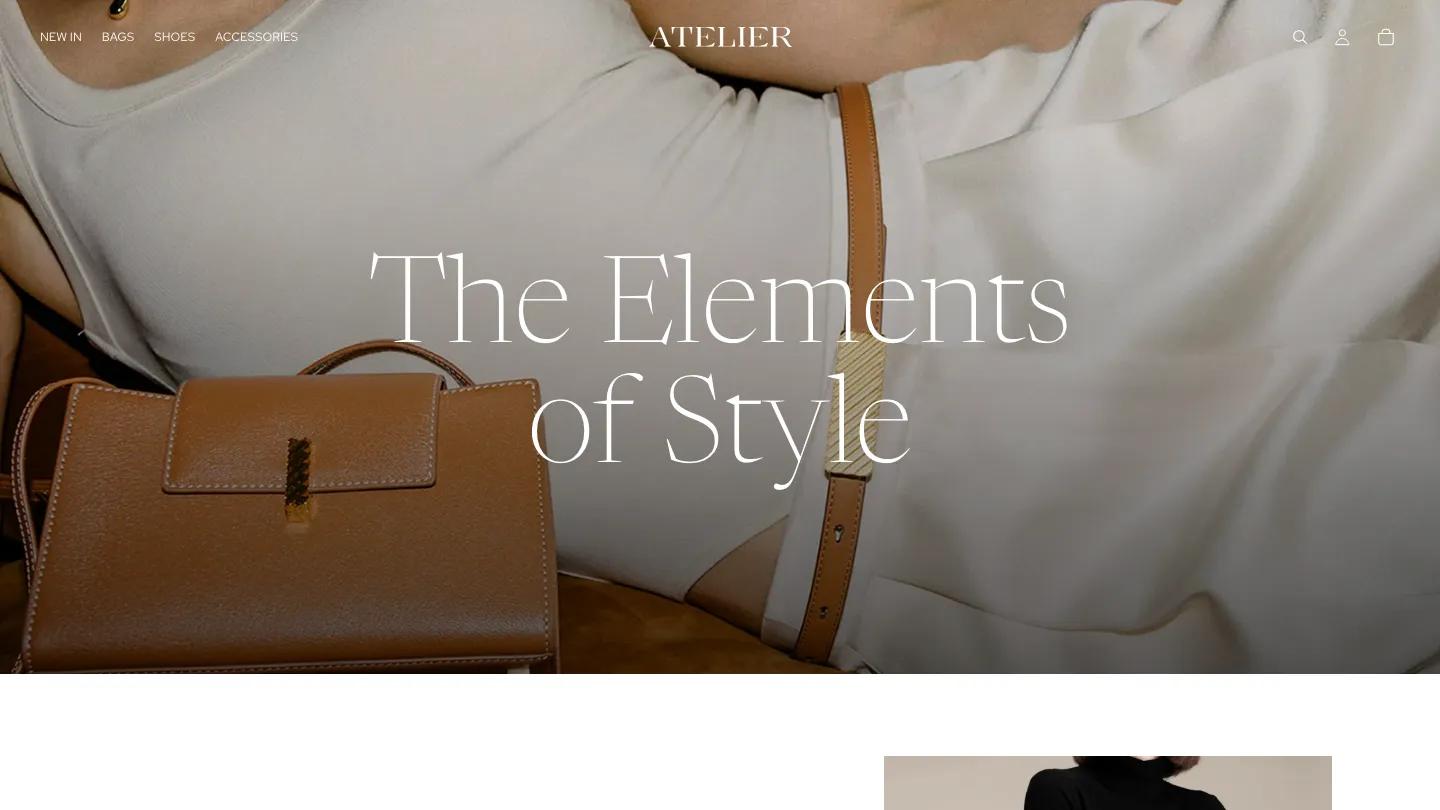
Overall Score: 7.3/10
Design Score: 7.3/10
Development Score: 7.3/10
Price: Free
Perfect for: Fashion brands and boutique retailers who want a clean, typographic storefront that doesn't overwhelm product photography.
Atelier uses minimal layout and light backgrounds to keep focus on your catalog, with animation and sticky scrolling included. The theme ships with localization, site search, and contact forms ready to go, solid for multi-page shops that prioritize readability over flashy effects. If you're new to Shopify's template terminology guide, Atelier's structure keeps things straightforward while scoring 7.32 overall.
Taste
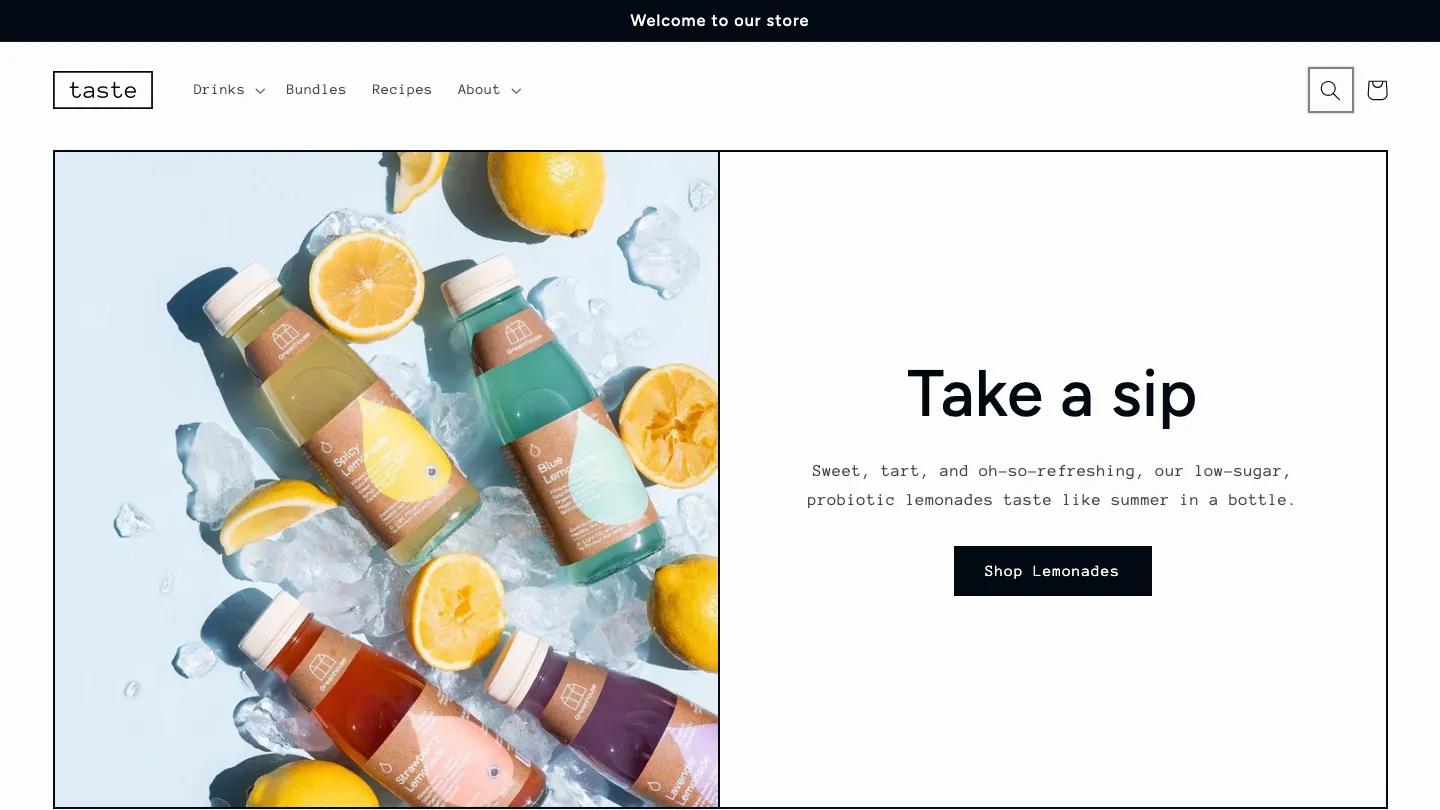
Overall Score: 7.1/10
Design Score: 6.8/10
Development Score: 7.4/10
Price: Free
Perfect for: Food brands, wellness shops, or small retail stores that want a clean, colorful storefront with blog and contact forms built in.
Taste brings modern minimal styling with bold pops of color, making it work for coffee roasters, skincare lines, or boutique grocers. Slideshows, sticky scrolling, and site search come standard, though the 6.80 design score reflects simpler layout options compared to premium alternatives. At free, it covers the basics: responsive, multi-page, rich media ready, without requiring custom dev work to launch.
Sense
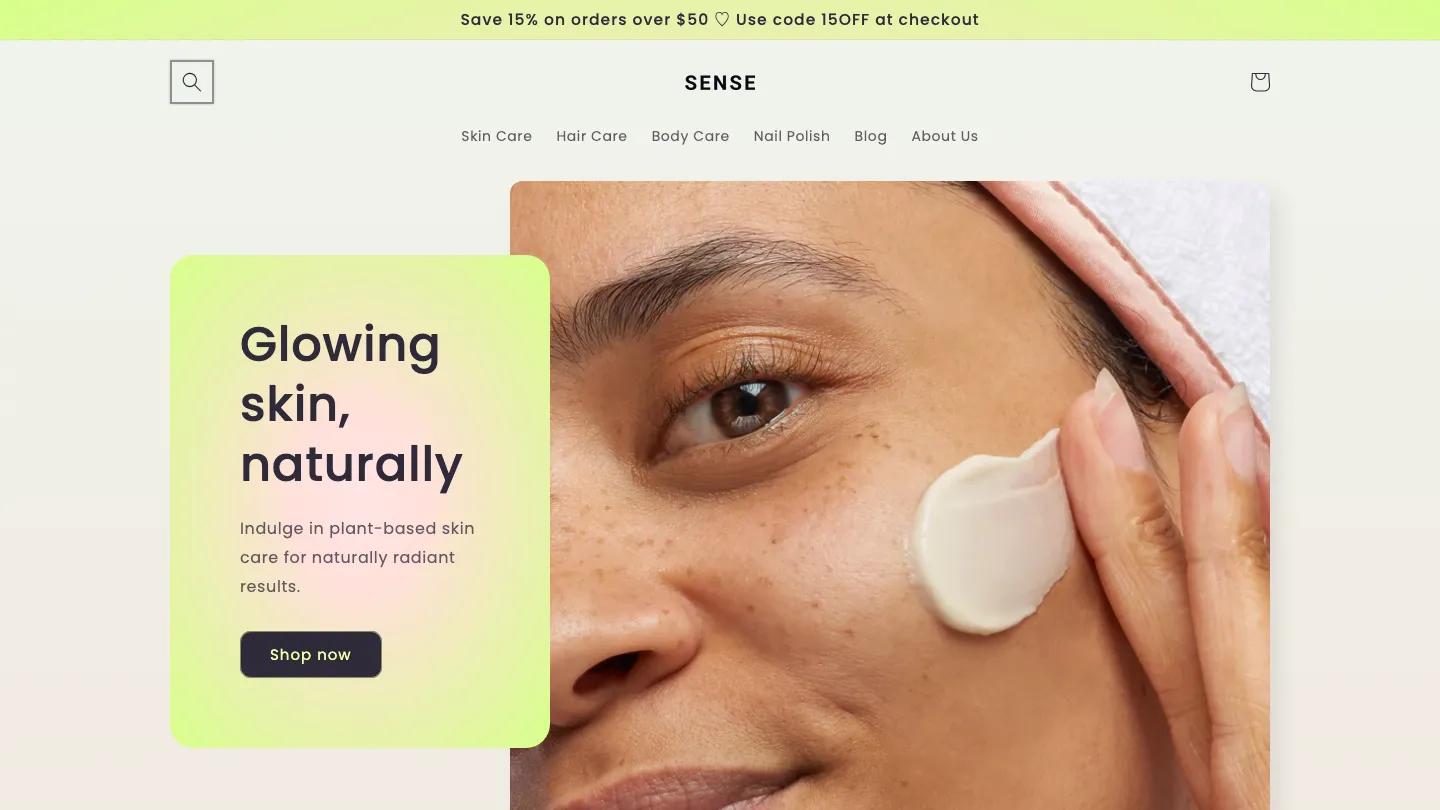
Overall Score: 7.0/10
Design Score: 6.8/10
Development Score: 7.3/10
Price: Free
Perfect for: Beauty, wellness, or eco-friendly brands that want a clean, colorful storefront without custom dev work.
Sense ships with slideshows, sticky scrolling, and site search already wired, enough to launch a small catalog fast. The multi-page setup includes an about page and blog, so you can tell your story alongside product listings. Free means no upfront cost, though you trade some polish for speed.
Refresh
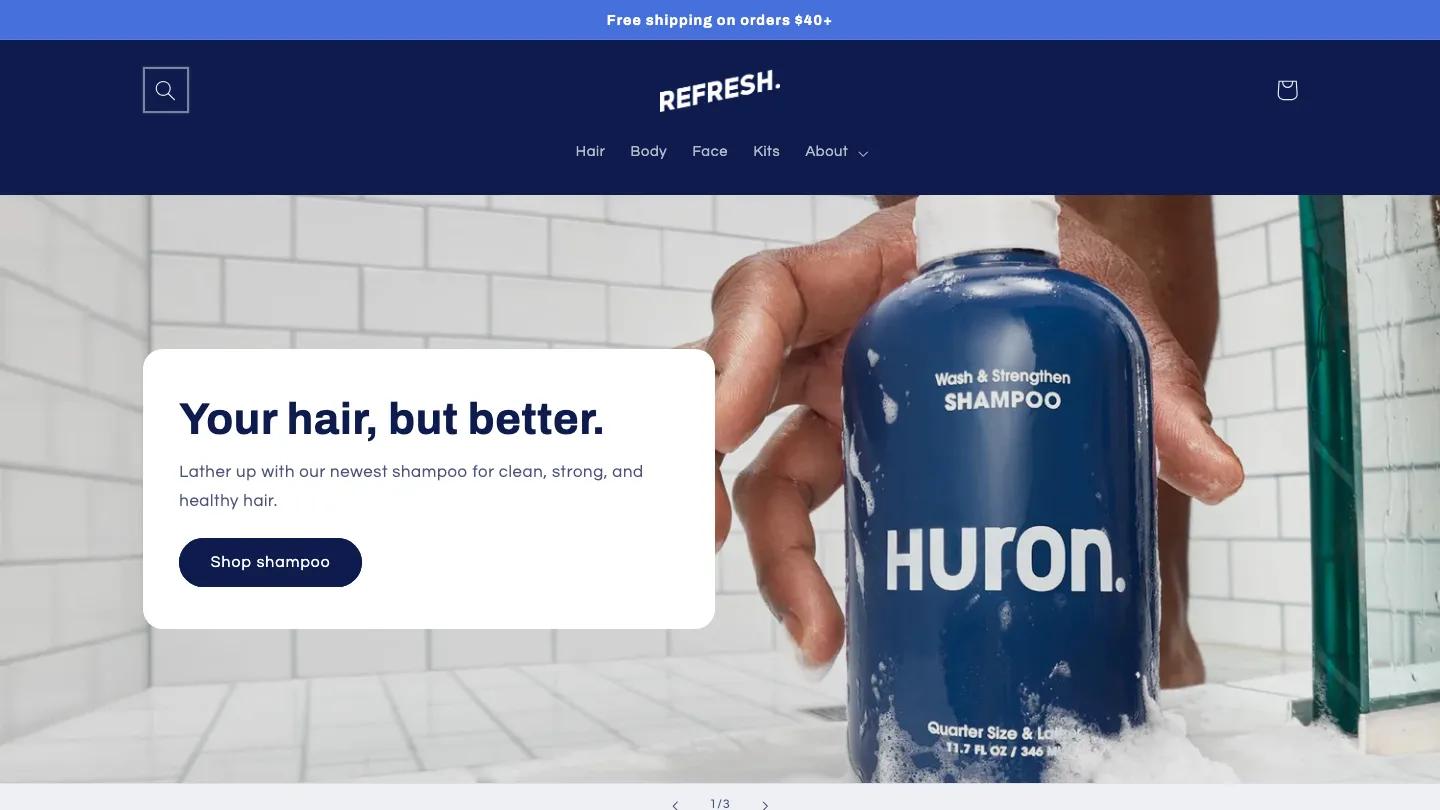
Overall Score: 7.0/10
Design Score: 6.7/10
Development Score: 7.3/10
Price: Free
Perfect for: Small beauty or retail shops that need a clean, professional storefront without paying for a premium theme.
Refresh includes slideshows, sticky scrolling, and site search. The minimal aesthetic suits beauty and personal care brands that want light, bold product photography to stand out. Development score sits at 7.35, so the code runs cleanly enough for most small catalogs.
Savor
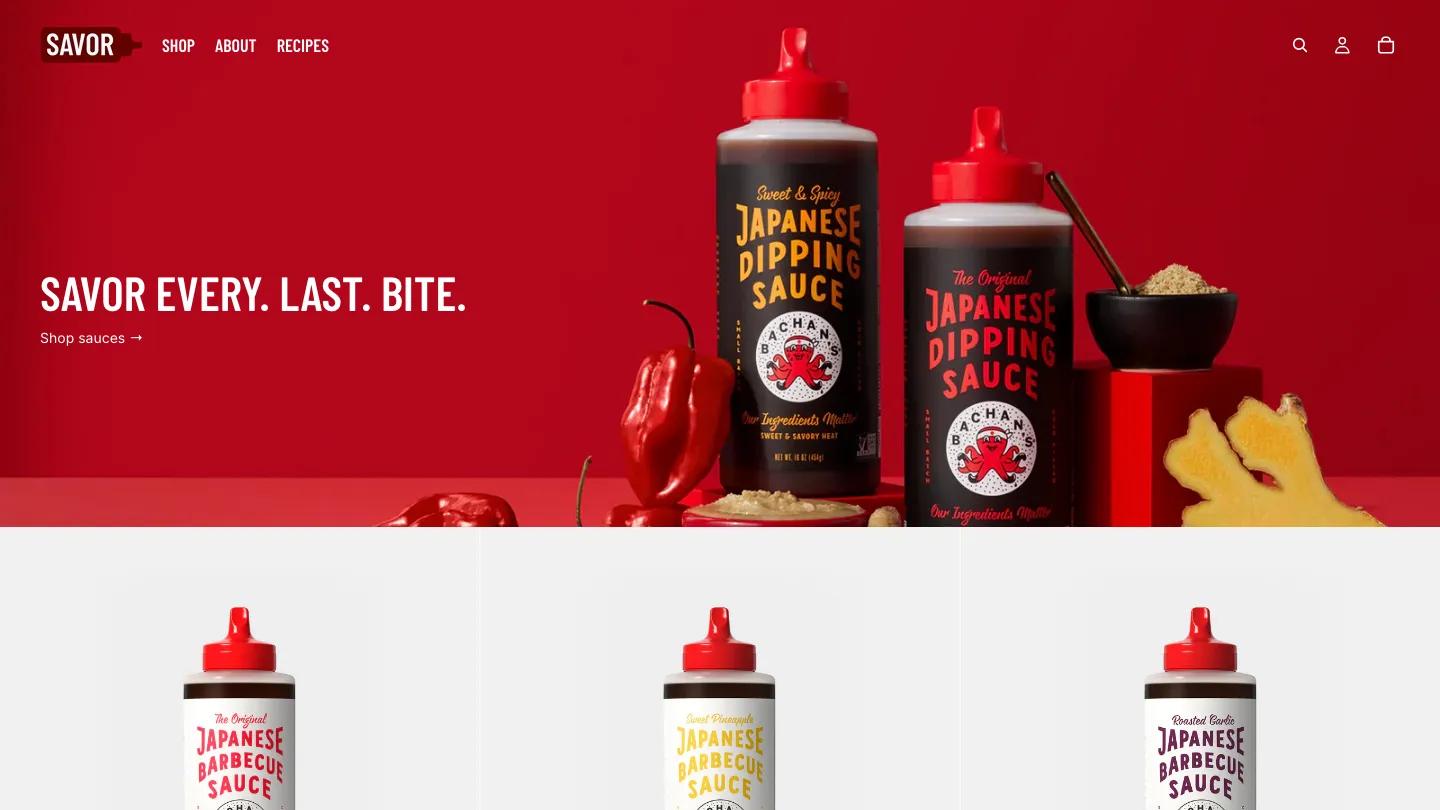
Overall Score: 7.0/10
Design Score: 6.7/10
Development Score: 7.3/10
Price: Free
Perfect for: Food and beverage shops that want bold color and clean product grids without custom dev work.
Savor includes slideshows, sticky navigation, and localization support, practical if you're selling regionally or testing international markets. The colorful, modern aesthetic works well for cafes or specialty grocers, though the straightforward layout won't surprise anyone.
Craft
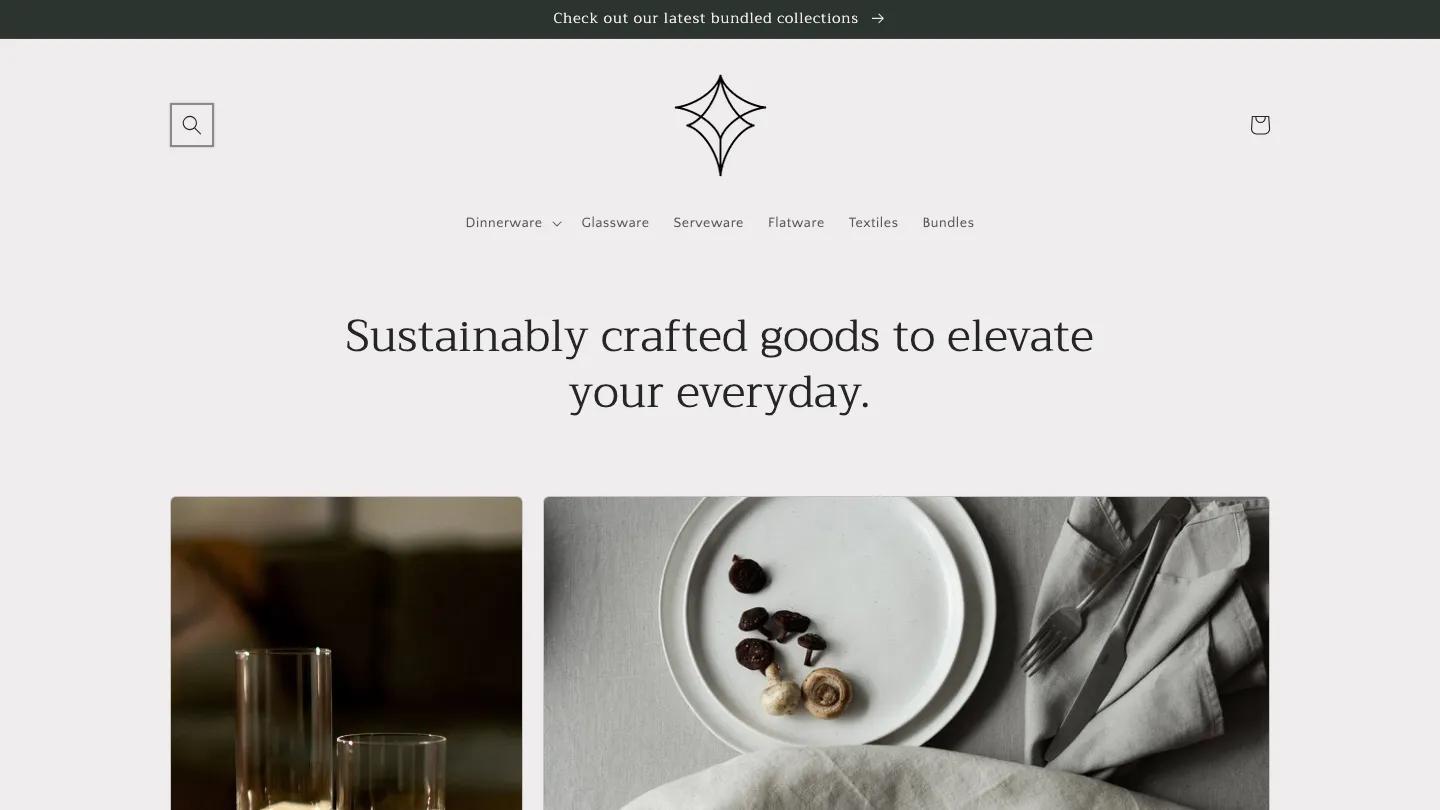
Overall Score: 7.0/10
Design Score: 6.7/10
Development Score: 7.3/10
Price: Free
Perfect for: Furniture shops or interior design studios that want a clean, monochromatic Shopify theme with blog and product pages ready to go.
Craft ships with appear effects, slideshows, and sticky scrolling, enough motion to feel modern without overloading a minimal aesthetic. The design score sits at 6.65, so expect straightforward layouts rather than complex grids. Site search and multi-page structure mean you can scale a small catalog without reworking the foundation.
Final Thoughts
The gap between free and paid Shopify themes has narrowed considerably. Pitch, Fabric, and Heritage give you design sophistication that would have cost $200 or more five years ago. Tinker and Vessel prove you can build a functional storefront without touching code. The real variable isn't price anymore. It's fit. A theme that works beautifully for a clothing brand might feel generic for a food business, and vice versa. The fifteen here span enough ground that you should find something that doesn't require you to fight the design to make it yours. If you're still torn between a few, the deciding factor is usually the CMS structure: how easily can you add products, manage collections, and update content without breaking the layout? Spend ten minutes in the backend before committing. If you're evaluating across platforms, it's worth comparing these against free templates across all platforms. Sometimes a Framer or Webflow free option solves your specific problem better than Shopify's library. And if you're building something more specialized than a general storefront, the Shopify retail and e-commerce themes category page goes deeper into paid options that might be worth the investment depending on your product type and growth timeline. Start with what's free. Move to paid only when the free options genuinely constrain what you're trying to build.
30 Best Modern Shopify Website Themes 2026
by Jessica Reyes
7 Best Shopify Themes for Blogs and Editorial Sites 2026
by Olivia Taylor
Best Shopify Themes for Online Stores and Retail 2026
by Daniel Harris
12 Best Shopify Themes for Clothing and Fashion Stores 2026
by Emma Clark
Best Shopify Themes for Dropshipping, Digital Products, and Speed
by James Miller