Where to Find Free and Premium Framer Templates


Framer publishes templates with no manual review, so the quality gap inside any marketplace is wider than on any platform we cover. We compare the real sources for free and premium Framer templates using score data from the 361 files we have reviewed.
Searching for Framer templates lands you in a strange market. The official Marketplace lists thousands of options, third-party stores each claim to have the best ones, and aggregator sites republish the same catalogs with affiliate links attached. What none of them tell you is that Framer templates are published without any manual review, so the gap between the best and worst files on the same page is wider than on any other platform we cover.
We've independently reviewed and scored 361 Framer templates, each one evaluated by professional designers and developers with 10 or more years of industry experience. This guide covers where free and premium Framer templates actually live, how the marketplaces compare, and what our score data says about which sources deserve your time.
What are the top websites offering free Framer templates?
The best sources for free Framer templates are the official Framer Marketplace, individual creator storefronts, and independent review libraries that filter for quality. Free is not a compromise category on Framer: 175 of the 361 templates in our library are free, about 48% of everything we've published, and they average 8.0/10 overall against 8.3/10 for paid. No other platform we cover comes close to that ratio.
The official Marketplace is the natural starting point because free templates install in one click: the "Use for Free" button copies the entire project into your Framer workspace immediately, no checkout, no email, no file handling. The catch is volume without filtering. Framer publishes templates without manual review, so the free shelf mixes production-grade work with abandoned experiments, and the Marketplace's own sorting won't tell you which is which.
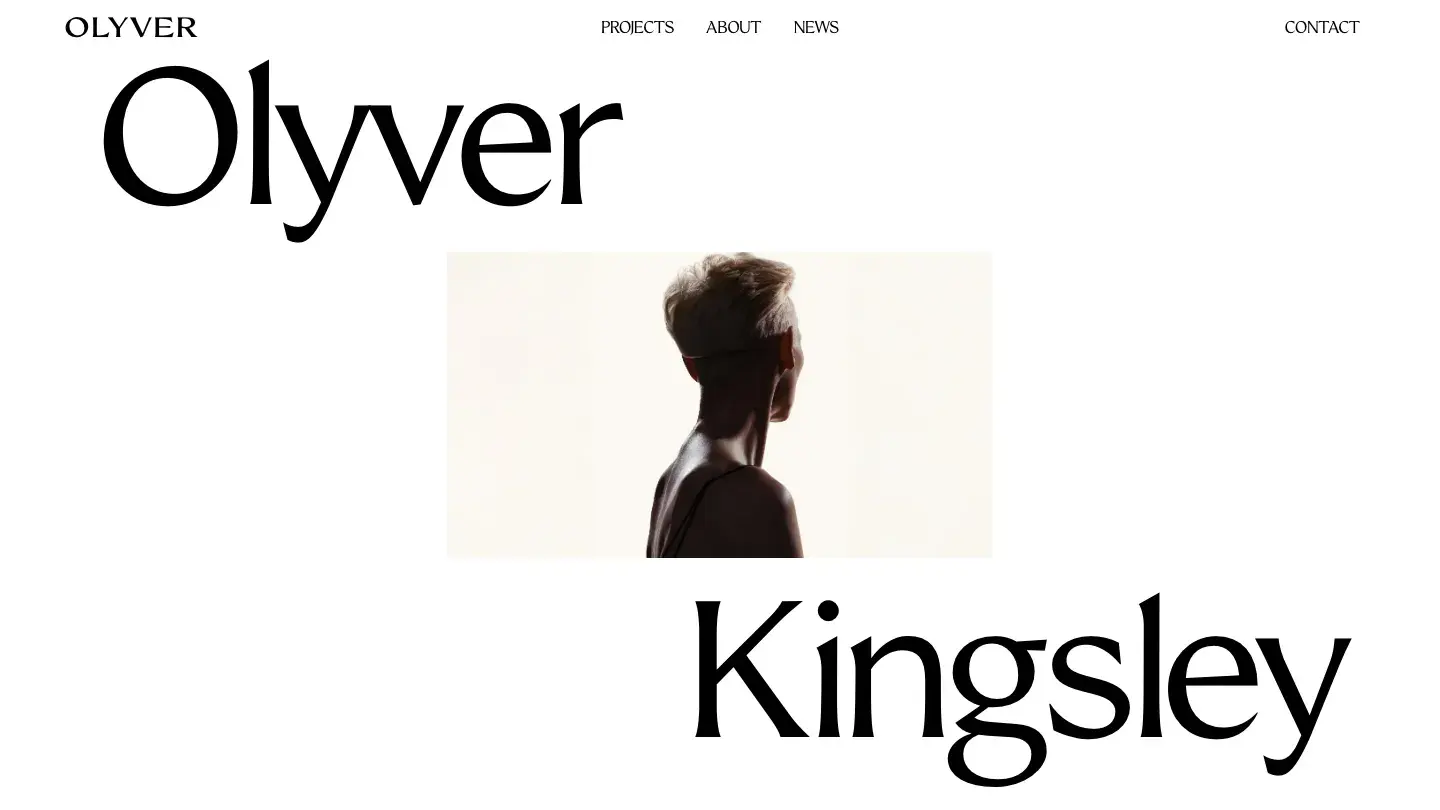
That's the problem our Framer library exists to solve. Every free template we list cleared the same 7.0 minimum Overall Score as the paid ones, scored by multiple reviewers working independently. The best free files compete with anything on the paid shelf: Olyver scores Design: 9.6/10, Dev: 9.7/10, and Elian scores Design: 9.5/10, Dev: 9.7/10. Both are free, and both outscore most premium templates we've reviewed.
Where can you buy premium Framer templates online?
Premium Framer templates are sold through the official Framer Marketplace and directly from creator storefronts, with checkout typically handled by the creator through services like Lemon Squeezy, Polar, or Stripe. Paid templates in our library run from $19 to $199, with a median of $59 and an average of $68. After purchase, you receive a remix link by email that copies the project into your Framer workspace; our guide on how to use and customize a Framer template covers what happens from there.
The purchase flow surprises people coming from other platforms. Even when you buy through the official Marketplace, the transaction happens on the creator's own checkout page, because Framer takes no commission and runs no payment infrastructure for templates. Practically, this means the same template costs the same everywhere, and the thing to evaluate is the template itself, not the storefront.
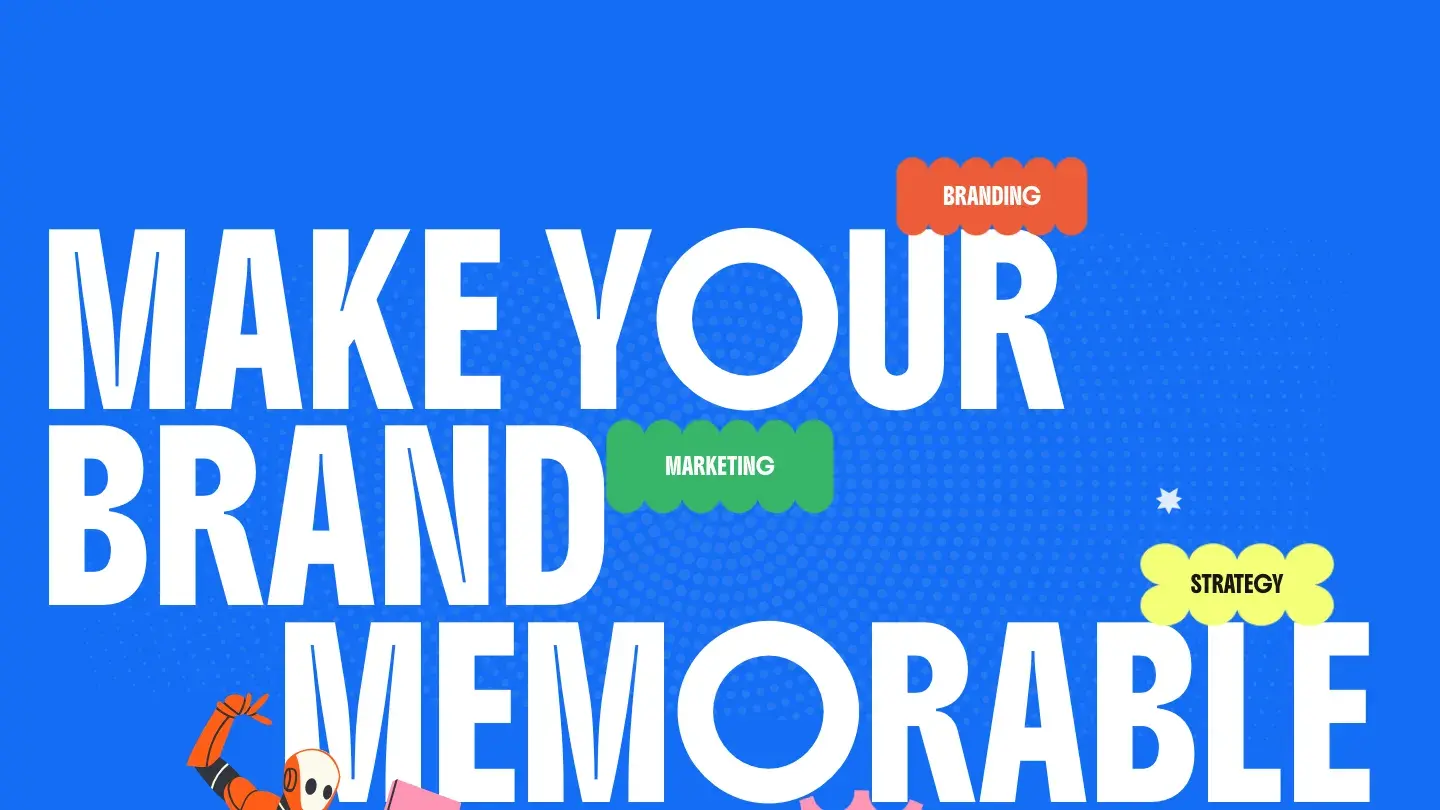
Premium earns its price at the top of the market through interactive depth. The strongest paid files we've scored, Zeentra (Design: 9.7/10, Dev: 9.7/10, $79) and TITARVL (Design: 9.7/10, Dev: 9.7/10, $49), ship with scroll effects, page transitions, and component systems that would take weeks to build by hand. That's the honest case for paying: not better pixels, but motion and interaction engineering included. For what template pricing looks like across all three platforms we cover, our template pricing breakdown has the full numbers.
What are the best platforms to find professional Framer templates?
Four platform types sell or list Framer templates: the official Framer Marketplace, creator studios with their own storefronts, third-party aggregators, and independent review libraries. They differ on the axis that matters most for Framer specifically: quality filtering. The Marketplace publishes everything instantly with no review, aggregators list without evaluating, studios curate only their own work, and review libraries are the only type that scores templates before recommending them.
| Source type | Quality control | Selection | Independent scoring |
|---|---|---|---|
| Framer Marketplace | None, published instantly | Thousands | No |
| Creator studios | The studio's own standard | 5 to 25 per studio | No |
| Aggregator sites | None, relist existing catalogs | Hundreds | No |
| BestWebsiteTemplate.com | 7.0 minimum, multi-reviewer | 361 scored templates | Yes |
The no-review policy deserves emphasis because it's the single biggest difference between shopping for Framer templates and shopping for Webflow templates, where every Marketplace file passed a submission rubric first. On Framer, the platform does zero gatekeeping. That's good for creator velocity and template supply, and it shifts the entire quality-checking burden onto you, the buyer. (If you're on the other side of that equation, our guide on how to create and sell a Framer template explains what the no-review model means for creators.)
Comparison is the other half of the job, and it's where our library is built to save time. Every template card plays a looping screen recording of that template's full homepage the moment you hover over it, so you can visually scan an entire category without opening a single external tab. Combined with a Design Score and Dev Score on every file, averaged from multiple professional reviewers, you can shortlist in minutes what would otherwise take an afternoon of tab juggling.
How do popular Framer template marketplaces compare in practice?
The official Marketplace wins on selection and install convenience, creator storefronts win on support depth, and neither tells you anything about build quality before you commit. In our scoring of 361 Framer templates, the quality spread inside any single marketplace is far wider than the average difference between marketplaces, which makes "which store" the wrong question. The right question is which template, verified by someone who opened the file.
A few patterns from our review data are worth knowing when you evaluate any storefront. First, catalog size predicts nothing: the strongest creator in our Framer rankings by volume, ena supply, has 21 scored templates, while some single-template creators hold top-ten positions. Second, Framer's referral economics mean free templates are marketing assets, so established studios often give away genuinely strong work; three of our ten highest-scoring Framer templates are free. Third, presentation quality and build quality diverge constantly. A gorgeous demo with disorganized components and untested breakpoints is common enough on Framer that we treat the demo as marketing, not evidence.
Our scoring methodology documents what we check instead: breakpoint behavior at real widths, component structure, CMS setup, and load performance. Multiple reviewers score each file independently, and the published number is their average. Marketplaces sell templates. We have no stake in which one you pick, because we don't sell anything.
Are there portfolio templates suitable for Framer?
Portfolio templates are Framer's deepest category by a wide margin: 344 of the 361 Framer templates in our library carry the Portfolio & Agency tag, and the category averages 8.2/10 overall. Framer's animation and interaction tools were built for exactly this use case, which is why designers, studios, and photographers have made it the platform's core audience. If you're building a portfolio, Framer's template supply is the richest of any platform we cover.
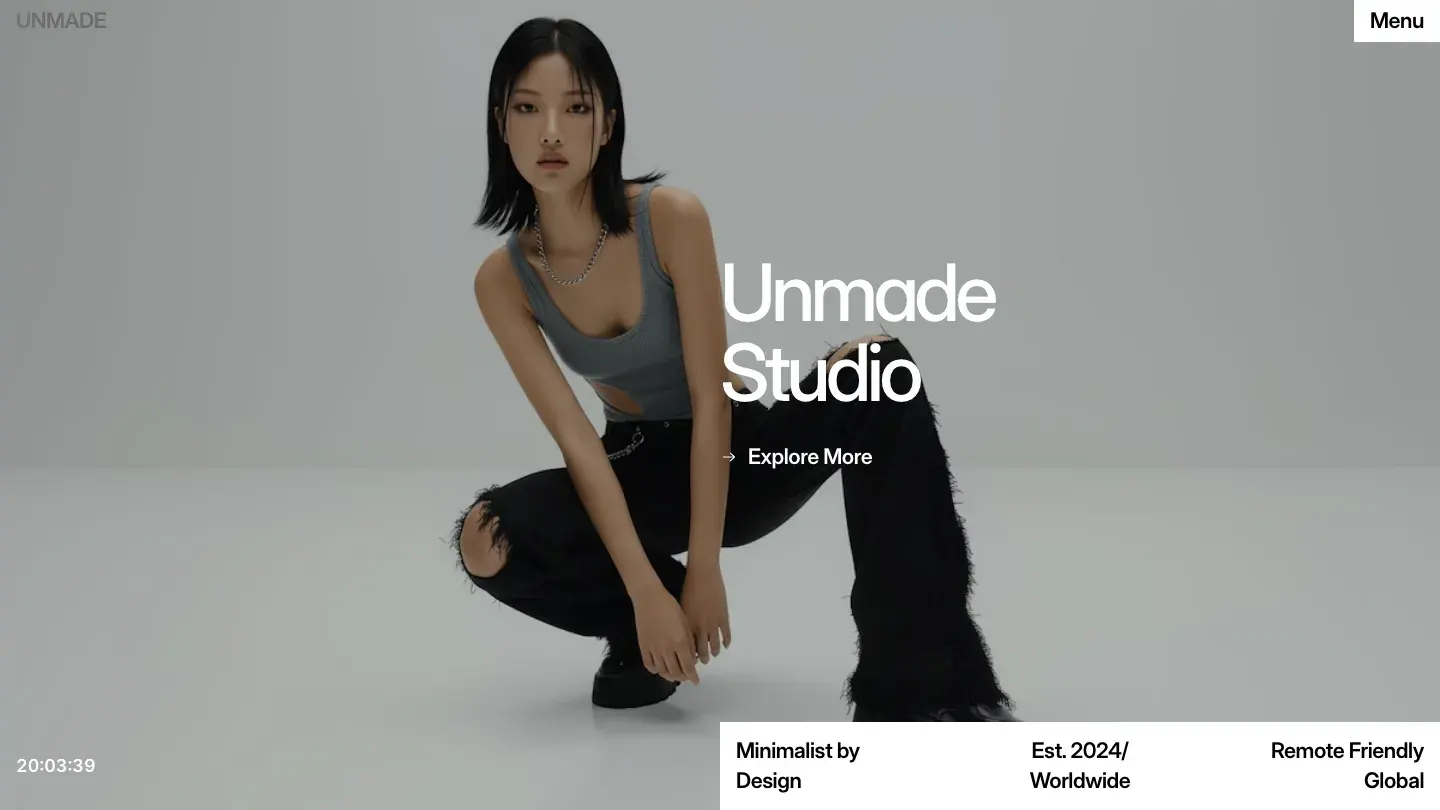
Depth also means noise, so scores matter more here than anywhere else. The top of the category sits at production grade: Zeentra and TITARVL lead at Overall: 9.7/10, with Unmade ($39, Design: 9.6/10, Dev: 9.7/10) and free options like Gordian (Design: 9.5/10, Dev: 9.6/10) close behind. The bottom of the same category, files we scored and declined to publish, includes single-page projects with broken tablet layouts sold at the same prices.
For a full ranked list with limitations flagged on every entry, our 20 best Framer portfolio templates roundup covers the category in depth, and the broader 30 best Framer templates roundup spans every category we track.
FAQ
How many Framer templates are free?
In our library, 175 of the 361 Framer templates we've published are free, about 48%. That's a structural feature of the platform: Framer pays creators a referral commission when a free template's user upgrades to a paid Framer plan, so strong free templates are a real business model rather than loss leaders.
What does a premium Framer template cost?
Paid Framer templates in our library range from $19 to $199, with a median of $59 and an average of $68. That's cheaper than Webflow's $79 median and far below Shopify's $360 median. Pricing clusters between $39 and $79, and the $100-plus tier is reserved for templates with heavy interaction engineering.
Is the Framer Marketplace safe to buy from?
The Marketplace itself is safe: checkout runs through established payment providers and remix links deliver instantly. What the Marketplace doesn't do is review template quality before publishing, so a listing's polish tells you nothing about its build. Check independent scores, or at minimum test the live preview at phone width before paying.
Are free Framer templates good enough for a real project?
Usually, yes, and this is measurably different from other platforms. Free Framer templates in our library average 8.0/10 overall, only 0.3 points behind paid ones, and several free files sit in our platform top ten. Check the specific template's scores rather than assuming price signals quality in either direction.
How do you decide which Framer templates get published in your library?
Multiple reviewers, each a professional designer or developer with 10 or more years of experience, score every template independently on design and development quality. The published scores are the averaged result, and anything below 7.0 overall is not published. We don't sell templates, we take no payment from creators, and scores can't be bought.
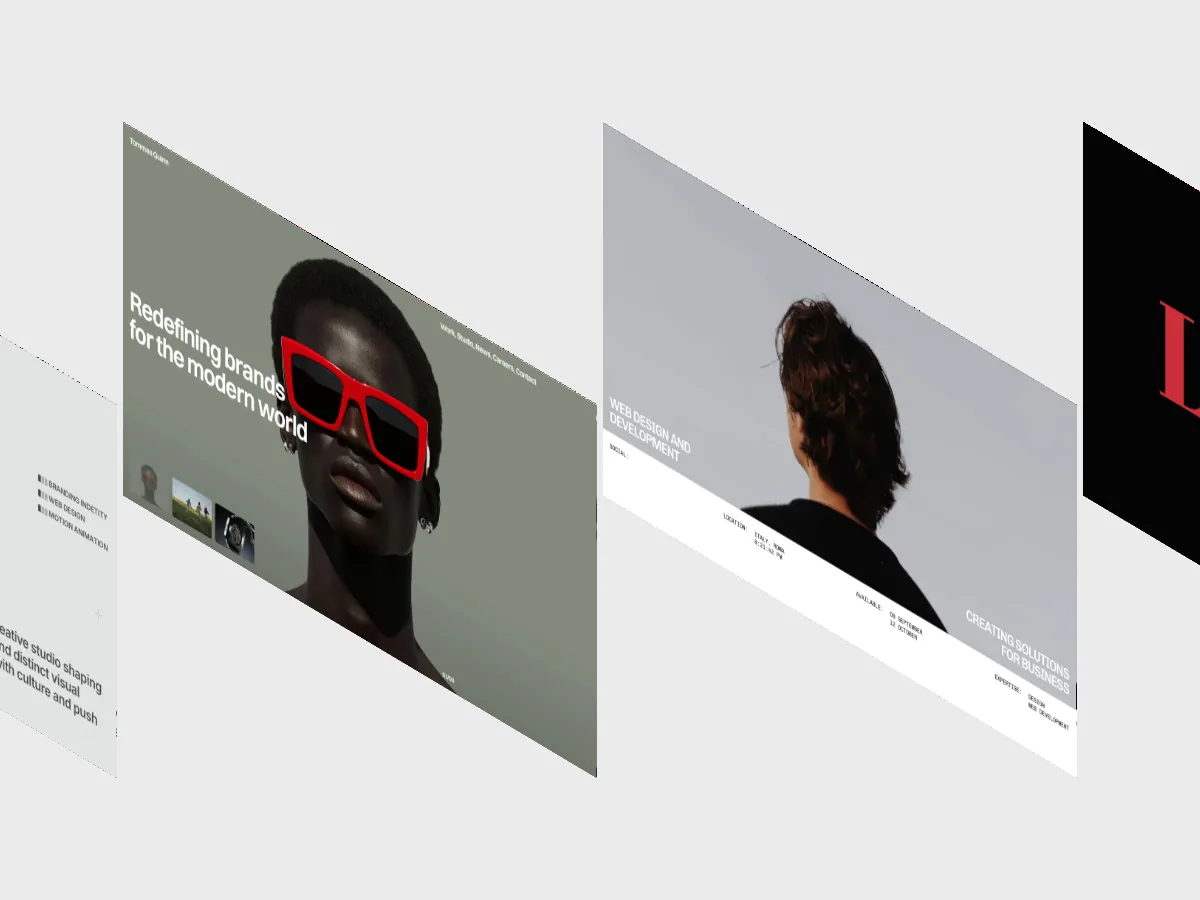
20 Best Framer Portfolio Templates 2026 (Scored by Designers)
by Skyler Moss
30 Best Free & Paid Framer Website Templates 2026
by Maren Brooks

How Much Do Website Templates Cost in 2026? Real Prices From 860 Reviewed Templates
by Dean Merrick
Are Free Webflow Templates Good Enough for Client Work?
by Perry Vance
Webflow vs Framer vs Shopify: Which Platform Should You Build On?
by Maren Brooks