How to Create and Sell a Framer Template


Framer has no application, no review queue, and no platform commission, which makes it the easiest place to start selling templates and the hardest place to get noticed. Here is what the successful files do structurally, how submission works, and what the pricing data says.
Framer is the easiest place on the web to start selling templates and the hardest place to get noticed doing it. There's no application, no review queue, and no platform commission: you publish and you're live. The same openness means the Marketplace fills with new templates daily, and buyers have no quality signal beyond your listing. Building something genuinely good is the entire strategy.
We've scored 361 Framer templates, so we've seen what the successful ones do structurally that the forgettable ones skip. This guide covers how to make a template that holds up, how the submission flow works, and what the economics look like using real pricing data from our library.
How do you create a Framer template?
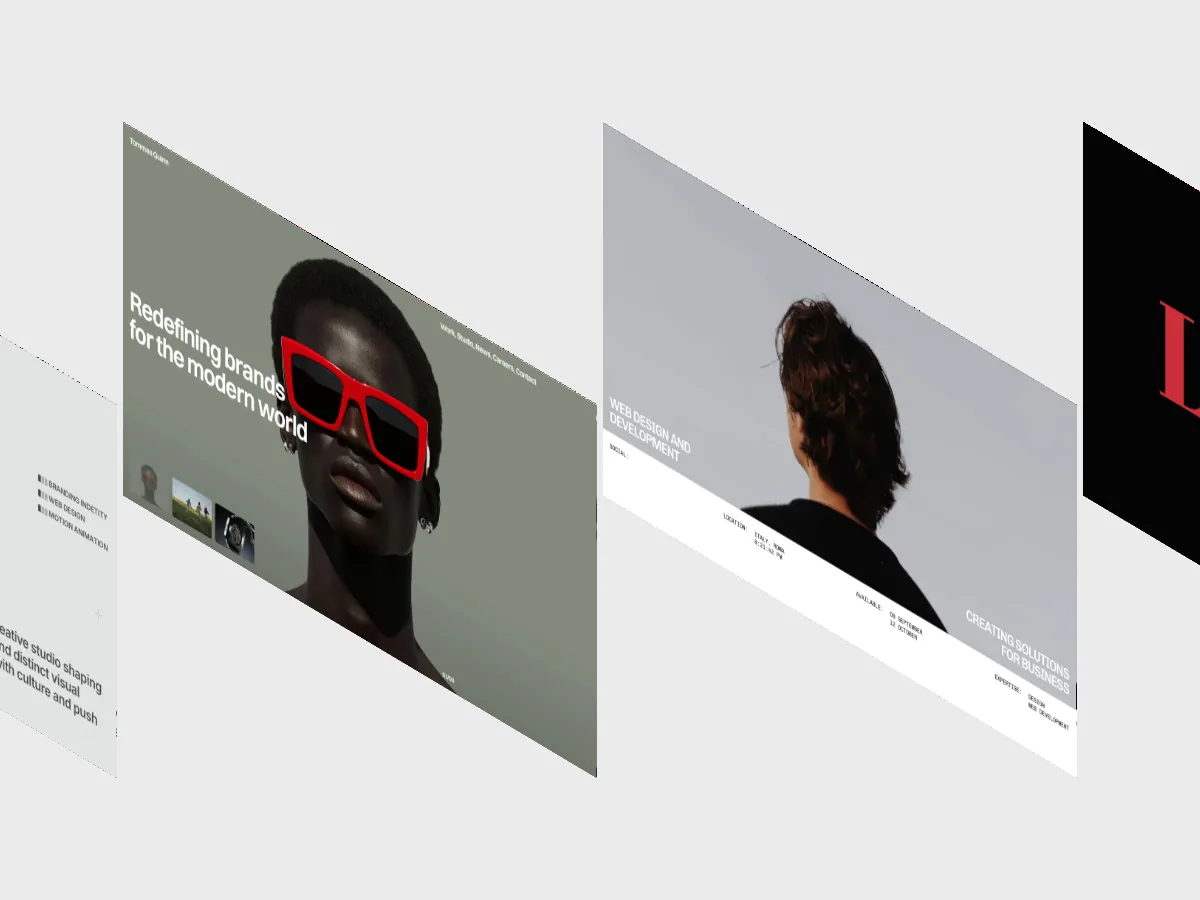
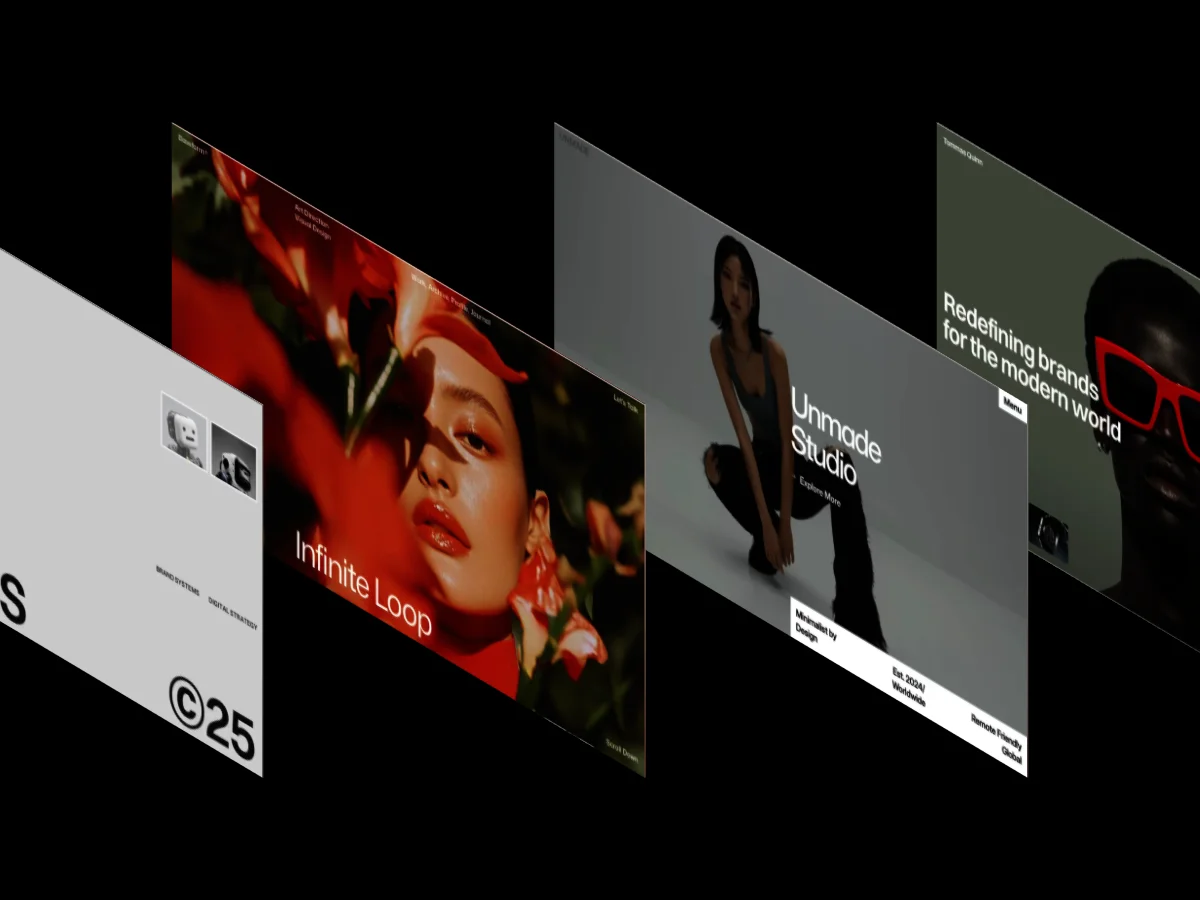
A Framer template is a regular Framer project built for a stranger to adapt. You design the site in the Framer editor exactly as you would a client project, then structure it for resale: route every color and text style through global tokens, build the header and footer as shared components, wire repeating content through CMS collections, and test every breakpoint. When it's done, you generate a remix link, which is what buyers receive.
The technical bar is what separates a template from a portfolio piece someone happens to be selling. In the 361 Framer templates we've reviewed, the files that earn Dev: 9.0/10 or higher share the same structural habits: global style tokens control everything (so a buyer rebrands in minutes), components are reused rather than rebuilt per page, CMS collections match the content a real buyer in that niche would have, and desktop, tablet, and phone breakpoints are each deliberately designed rather than left to default stacking.
Build for the buyer's second week, not the demo. Buyers judge a template by the demo, then live with how it behaves when their headline is twice as long, their photos are portrait instead of landscape, and they've added forty CMS items. Test your template with ugly content before publishing. The creators at the top of our rankings clearly do; the ones we decline to publish clearly don't.
How do you make a good Framer template that actually sells?
Pick a niche you know, then out-build the incumbents on structure rather than surface. In our library, Portfolio & Agency is Framer's deepest category with 344 scored templates, while Technology & Software (31), Fashion & Accessories (22), and Retail & E-commerce (8) are comparatively open ground. A complete, category-correct template in a thin niche competes better than the four-hundredth portfolio entry.
Study what the market leaders share. The highest-scoring Framer templates we've reviewed, Zeentra ($79) and TITARVL ($49), both at Overall: 9.7/10, pair distinctive motion design with disciplined internals: every page type a buyer needs, CMS-driven content, and interactions that are reusable components rather than one-off effects. Distinctive surface on a boring structure gets remixed and abandoned. Boring surface on a great structure never gets remixed at all. The sellers do both.

Price against the market's real bands. Paid Framer templates in our library run $19 to $199 with a median of $59; the $100-plus tier is almost entirely animation-heavy, multi-page builds. Free is also a strategy, not a surrender: Framer pays creators a referral commission of 50% for 12 months when a template user upgrades to a paid plan, which is why 48% of our Framer library is free and why several established studios give away files as strong as their paid ones.
How do you submit a Framer template to the Marketplace?
Open the Marketplace section of the Framer Community, click Post, choose Template, and fill in the listing: name, byline, description, categories, styles, features, screenshots, a live preview URL, and the remix URL. For a paid template, add a checkout link from a payment provider such as Polar, Lemon Squeezy, or Stripe, since Framer doesn't process template payments itself. Click Submit and the template publishes immediately; there is no review process or waiting period.
Instant publication cuts both ways. You're live in minutes, and so is every mistake, because no reviewer will catch the broken tablet layout or the dead link in your footer before buyers do. Framer publishes a best-practices checklist for template creators, and it's worth treating as a requirement even though the platform doesn't enforce it: test across browsers and screen sizes, fix performance issues, and prepare screenshots that honestly represent the file. Your listing can be edited any time after publishing, so iterate on the presentation as you learn what converts.
The two links in the form are the product. The preview URL is a published Framer site buyers can browse before paying. The remix URL is the template itself, generated from your project via File, then Copy Remix Link. For paid templates, your checkout provider delivers the remix link automatically after purchase. Test the entire chain as a stranger, ideally from a second Framer account, before announcing anything.
How much can you earn selling Framer templates?
Framer takes 0% commission: you keep 100% of every template sale, with only your payment provider's processing fees deducted. Against our library's pricing data, a median-priced template at $59 returns roughly $56 per sale after typical processing fees. On top of sales, Framer's referral program pays 50% of a referred user's subscription for 12 months when someone who remixed your template upgrades to a paid plan.
The referral layer changes the math in a way most creators underprice. A free template that never earns a sale still earns subscription commissions every time a user builds on it and upgrades to connect a domain. That's why free and paid aren't opposing strategies on Framer: a strong free template markets your paid catalog while generating referral income on its own. The studios at the top of our rankings, ena supply with 21 scored templates among them, almost all run mixed catalogs.
What the platform doesn't provide is discovery. With no review gate and thousands of listings, the Marketplace's default surfaces are crowded, and a first template with no external audience can sell nothing for months. The creators who break through treat the template as a product launch: an audience built in public, a live preview that ranks for its niche, and listings on independent libraries and roundups like our comparison of where buyers find Framer templates. Getting scored well by an independent reviewer is part of that; our scoring methodology explains what our reviewers check, and strong files enter our Framer library where buyers compare them daily.
FAQ
Does Framer review templates before they're published?
No. Templates publish to the Marketplace immediately after submission, with no review process or waiting period. Quality control is entirely the creator's responsibility, which is also why independent scoring exists: buyers have no platform signal separating tested templates from untested ones.
Does it cost anything to sell templates on Framer?
Framer charges nothing: no listing fee and 0% commission, so you keep 100% of each sale. Your real costs are a payment provider's processing fees on paid templates and the Framer subscription you use to build. Free templates cost nothing to distribute and can still earn referral commissions.
Can I sell my Framer template outside the official Marketplace?
Yes. The remix link works anywhere, so creators sell the same template from their own storefronts and third-party marketplaces simultaneously. Framer explicitly permits this. The checkout provider delivers the remix link after purchase regardless of where the buyer found the listing.
What makes a Framer template score well in your reviews?
The Design Score rewards typographic hierarchy, spacing discipline, and layouts that hold at every breakpoint. The Dev Score rewards global token usage, component reuse, CMS structure that matches the niche, and load performance. Multiple reviewers score each file independently and we publish the averaged result. Anything below 7.0 overall doesn't enter the library.
Should my first template be free or paid?
Free, in most cases. A free template builds remix volume, referral income, and a reputation the Marketplace's crowded paid shelves won't give an unknown creator. Our data shows free Framer templates average 8.0/10, only 0.3 behind paid, so buyers treat strong free files as real products. Ship the paid template once the free one proves people build with your work.